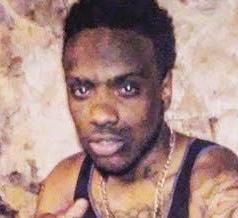
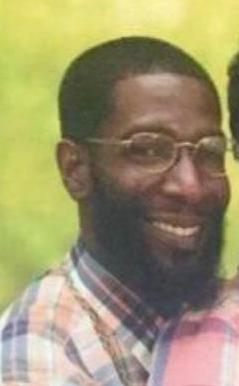
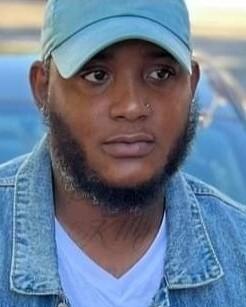
Marquice Houston, a 19-year-old Black/African American male, lost his life on September 9, 2014, after being shot in broad daylight in Wilmington, Delaware. What began as an ordinary Tuesday afternoon ended in tragedy when gunfire erupted in a residential section of the city, leaving Houston critically wounded. His death became another homicide investigated by Wilmington police, who were left searching for answers about the circumstances surrounding the shooting and the person responsible.
At approximately 2:30 p.m., Wilmington police received emergency calls reporting a shooting in the 2900 block of West Street. Responding officers discovered that Houston had been struck by gunfire at least once. The shooting occurred near the neighborhood where he lived, as his residence was located in the 200 block of West 29th Street. The attack took place during daylight hours, when residents were going about their afternoon activities.
Emergency medical personnel transported Houston to Christiana Hospital in an effort to save his life. Despite those efforts, his injuries proved fatal, and he was pronounced dead at the hospital. The sudden loss of Houston brought another violent death to Wilmington, where investigators were confronting the difficult task of determining what had led to the shooting and identifying whoever had fired the fatal shot.
In the immediate aftermath, Wilmington police began investigating the circumstances surrounding Houston's death. Authorities confirmed the location and approximate time of the shooting but released few additional details. Investigators did not publicly establish whether Houston had been specifically targeted, whether an argument or confrontation preceded the gunfire, or whether the shooting resulted from some other circumstance. The number of people involved and the events immediately preceding the attack were not disclosed in the available contemporary reporting.
Police also did not release a description of a suspected shooter or identify any individuals believed to be responsible. Whether investigators recovered a firearm, obtained surveillance footage, interviewed eyewitnesses, or developed other significant evidence was not made public in the available reports. Without an identified motive or publicly named suspect, many of the most important questions surrounding Houston's killing remained unanswered.
The investigation initially proceeded without any publicly announced arrests. Available reporting does not establish that a suspect was subsequently taken into custody, formally charged with Houston's murder, or prosecuted in connection with his death. No verified court proceedings, trial outcomes, guilty pleas, or convictions directly associated with the September 9, 2014, shooting could be identified. This absence of publicly available information does not necessarily mean investigators failed to develop leads or that the case received no further attention.
Houston's death left a young life ended by violence and a homicide investigation with few publicly documented answers. The available record establishes that he was shot on West Street, transported to Christiana Hospital, and died from his injuries that same afternoon. Beyond those facts, the identity of his killer, the reason for the attack, and whether anyone was ever held legally accountable remain unconfirmed in accessible reporting. His case stands as a reminder of the lasting uncertainty surrounding a violent death when the circumstances and any subsequent investigative developments are not fully disclosed to the public.