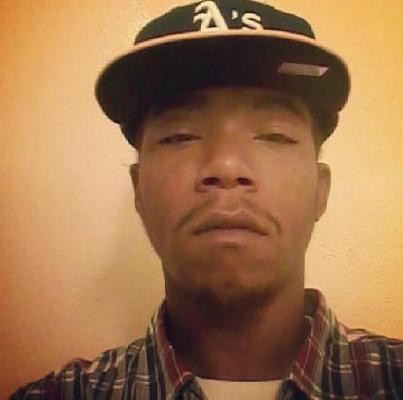
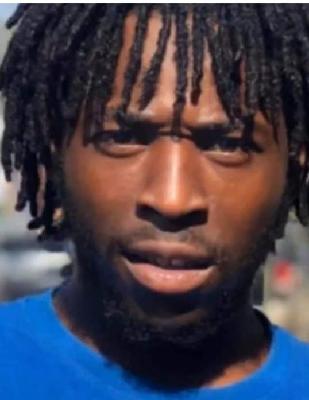
William Rollins Jr., an 18-year-old African American man from Wilmington, Delaware, was fatally shot on the evening of January 24, 2015, near West 21st and North Washington streets. Officers responding to reports of gunfire in the 300 block of West 21st Street found him critically wounded, including a gunshot wound to the head. They performed CPR until emergency medical personnel arrived and transported him to Wilmington Hospital, where he died.
Police initially announced no arrests, but the investigation eventually connected his killing to two members of Wilmington's Touch Money Gang.
Investigators documented eleven gunshot wounds and recovered fifteen 9-millimeter cartridge casings at the scene. A breakthrough followed on January 29, when Kadir McCoy and an accomplice were arrested after robbing a WSFS Bank on Union Street. During the pursuit, McCoy discarded a backpack containing a handgun that investigators subsequently matched to the casings from Rollins's killing. Authorities also intercepted a letter McCoy attempted to send to John Brisco, instructing him to dispose of another gun at McCoy's home. A search of the residence on February 3 uncovered a. 357-caliber Taurus firearm.
The investigation became part of a larger effort involving Wilmington police, the Delaware Department of Justice, and the FBI. On September 11, 2015, authorities announced a 91-count indictment against thirteen alleged Touch Money Gang members, including Brisco and McCoy. Returned by a grand jury on August 31, the indictment encompassed six killings, five nonfatal shootings, and a bank robbery. Rollins's death was among the homicides included, and authorities reported that all thirteen defendants were in custody when the indictment was announced.
At Brisco's trial, prosecutors presented testimony from Karel Blalock, who said he had known Brisco for several years. Blalock testified that Brisco described shooting Rollins eleven or twelve times from behind while Rollins walked along 21st Street. According to Blalock's account of that conversation, Brisco also said McCoy then approached Rollins and shot him in the back of the head with a. 357-caliber gun. Blalock further testified that Brisco claimed he had been paid $13,000 for the killing. These details were presented as Brisco's statements relayed by Blalock, rather than as an eyewitness account of the shooting.
In March 2017, a jury convicted Brisco of first-degree murder for killing Rollins and a second count of first-degree murder for the separate 2013 killing of security guard Ioannis Kostikidis during an attempted robbery. His additional convictions included gang participation, attempted first-degree robbery, conspiracy, and multiple firearm offenses. The jury acquitted him of a third murder charge involving the death of Devon Lindsey. On July 21, 2017, Brisco received two life sentences, one for each murder conviction, plus another thirty-five years for the other offenses.
McCoy's prosecution ended with a guilty plea rather than a trial. On March 3, 2017, he pleaded guilty to two reduced counts of second-degree murder covering the killings of Rollins and Lindsey, along with firearm, conspiracy, robbery, and illegal gang-participation charges. He later sought to withdraw his plea, but the court denied that request after finding that he had entered the agreement knowingly and voluntarily. On August 18, 2017, McCoy was sentenced to thirty-nine years in prison, followed by nine months of home confinement or work release and two years of probation.
Both defendants subsequently challenged their convictions or sentences. On January 27, 2025, the Delaware Supreme Court affirmed the denial of Brisco's postconviction motion alleging ineffective assistance of counsel. A second postconviction motion was dismissed on February 24, 2025, because it did not satisfy the requirements for another challenge. Those decisions left his convictions and sentence intact.
McCoy's later federal challenge included claims of innocence, disputes over the forensic evidence, and a statement from a witness who had recanted an account implicating him in Rollins's killing. On March 24, 2026, the federal district court dismissed his habeas petition as untimely and concluded that the material he submitted did not meet the demanding actual-innocence standard needed to overcome that deadline. The court noted his guilty plea and the firearm evidence connecting him to the case. McCoy filed an appeal in April 2026.
Behind the investigation and years of court proceedings was a family mourning the future Rollins never had the opportunity to pursue. When authorities announced the gang indictment, his mother, Shareece White, said he had wanted to change his life and was preparing to go away to school. She spoke about the pain of knowing he had been shot repeatedly. His father thanked investigators for their work while urging Wilmington to provide more programs and activities for young people. Their public remarks remembered Rollins not simply as the subject of a homicide prosecution, but as someone who had been making plans for what came next.