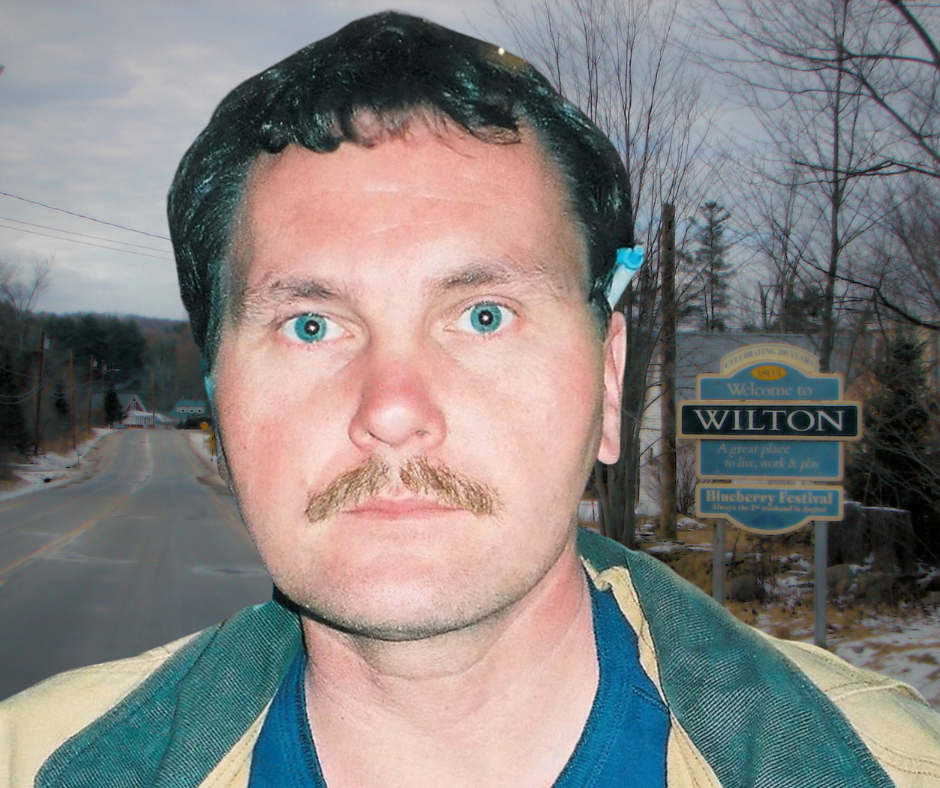
On a spring morning in the small town of Brooks, Maine, the life of James Cluney, a 49-year-old Caucasian male, was brought to a tragic and violent end. On May 6, 2022, Waldo County Sheriff's deputies were called to his home on Littlefield Road following reports of a disturbance. Upon their arrival, they discovered that Cluney, a husband and father, had been fatally shot.
The investigation was quickly handed over to the Maine State Police Major Crimes Unit, and it was soon determined that the homeowner had been killed that morning.
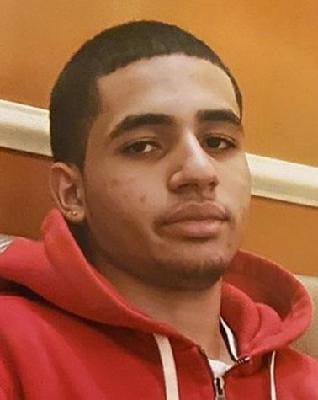
The events leading to the shooting began to surface as investigators delved into the case. The suspect was not a stranger but a 16-year-old boy named Atilio Delgado, who was living with the Cluney family and dating their daughter. James Cluney and his wife had taken Delgado and his brother into their home. On the morning of the incident, Delgado had been out hunting. He was in the driveway talking with Cluney's daughter when he heard a commotion from inside the house. When he rushed to the door, Cluney opened it and made a statement to the effect of having "popped" Delgado's brother. In response, Delgado pulled out a handgun and fired six shots, striking Cluney in the chest, torso, and leg in front of his wife and daughter.
Shortly after the shooting, Delgado was taken into custody and charged with murder. He was transported to the Long Creek Youth Development Center. The case sparked a legal battle over whether the teenager should be tried as a juvenile or an adult. Given the gravity of the crime, the state successfully argued to have his case transferred to the adult criminal court system, a decision that was appealed but ultimately upheld by Maine's highest court.
In August 2025, Atilio Delgado, then 20 years old, pleaded guilty to the charge of intentional and knowing murder. As part of a plea agreement, he was sentenced to 25 years in prison. During the sentencing, the court heard about the devastating impact of the loss on Cluney's family, who had asked for a longer sentence. Delgado was also ordered to pay restitution to the family he had once lived with, bringing a legal conclusion to a deeply personal and tragic event that shattered a family and the quiet of their rural community.