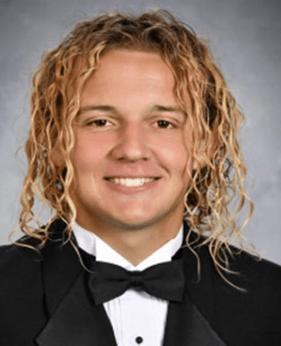
Charles Streb, a 25-year-old White male, served as a special deputy sheriff in the small railroad town of Melrose, Montana. On the night of July 24, 1911, he answered trouble at a local dance hall where a man was waving a handgun and threatening people. Streb moved in to make the arrest, but the encounter turned violent. He was shot and mortally wounded, collapsing amid the music and dust as frightened dancers scattered and townspeople rushed into the street. A hastily formed posse of citizens pursued the gunman into the dark and captured him a short time later, bringing him back under guard as word of the killing rippled through Silver Bow County.
Contemporary accounts identified the suspect as “A. Nelton,” later referenced in state prison records as Arthur Nelton. In court he claimed the shooting was an accident, but a jury found him guilty of second-degree murder.
The judge imposed a sentence of 100 years, a severe term intended to match the community's outrage at the slaying of a peace officer. More than a decade later, Montana Governor Joseph M. Dixon reduced the sentence, and Nelton was released in 1924, a coda that complicated local memories of a killing that had once galvanized a town to take up a chase in defense of its own.
Streb's death was immediately recorded in memorial rolls and later preserved in law-enforcement remembrances and genealogical notes. These sources consistently place him at the Melrose dance hall that July night, emphasize the armed threats that prompted his intervention, and note both the posse's arrest and the eventual conviction of the gunman. Even many decades on, simple listings—sometimes just a name, age, and a date—continue to mark the loss of a young deputy whose final act was to confront a man endangering his neighbors.