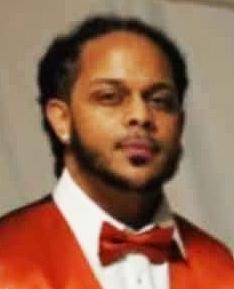
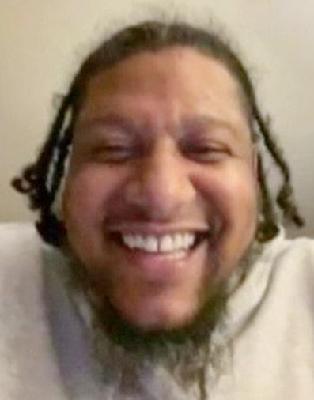
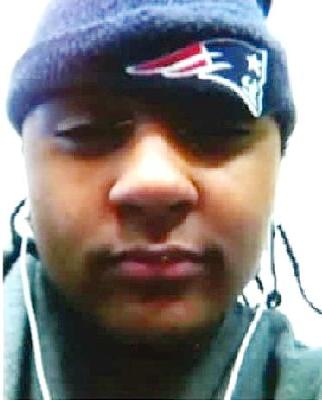
On the cold night of January 28, 2000, in Providence, Rhode Island, the life of Cornel Young Jr., a 29-year-old Black male police officer, came to a tragic and untimely end. Young, known to his friends and family as "Jai," was off-duty and eating at Fidas Restaurant when a heated argument erupted in the parking lot. A man involved in the dispute, Aldrin Diaz, was seen with a gun.
True to his duty, Young, who had been with the Providence Police Department for three years, drew his own weapon as required by department regulations and intervened, telling the armed man to freeze.
Two uniformed Providence police officers, Carlos Saraiva and Michael Solitro III, arrived at the chaotic scene. Seeing a man in plainclothes with a gun, they reportedly ordered Young to drop his weapon. Despite Young allegedly identifying himself as a police officer, the on-duty officers opened fire, striking him multiple times. It was only after the shots were fired that they realized their grave mistake: they had shot a fellow officer. Young was rushed to a nearby hospital but succumbed to his injuries shortly after.
The death of Cornel Young Jr. sent shockwaves through the community, sparking outrage and raising serious allegations of racial profiling. The two officers who shot him, both of whom were white, were not criminally charged in the incident. One of the officers, Carlos Saraiva, had been a classmate of Young's at the police academy. In a move that drew further criticism, Aldrin Diaz, the man Young was trying to subdue, was initially charged with felony murder for Young's death, a charge that led to protests from those who felt he was being used as a scapegoat.
In the aftermath, Cornel Young Jr.'s mother filed a $20 million civil rights lawsuit against the City of Providence and the police officers involved, alleging that her son's civil rights had been violated and that the officers were not properly trained. The lawsuit was ultimately unsuccessful. In a gesture of honor, Cornel Young Jr. was posthumously promoted to the rank of sergeant. His memory is kept alive through an elementary school and a scholarship fund named in his honor. The tragic incident also led to a change in Providence police protocol, which no longer requires off-duty officers to carry a firearm.