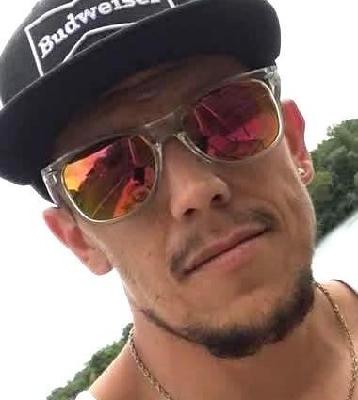
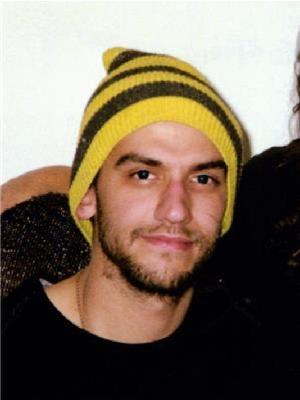
Corey James Zephier, a 30-year-old man from Sioux Falls, South Dakota, was killed in the early hours of January 5, 2018, in violence that investigators and later court testimony tied to a drug deal that spiraled into a robbery attempt outside an apartment building in the city. He went out that night in the company of others, moving from a nightclub to a series of late-night stops, the kind of restless, after-midnight orbit that can feel ordinary—until it isn't.
In the account laid out
at trial and summarized on appeal, the night began at Scarlett O'Hara's nightclub, and the group later picked up Manuel Jesus Frias. As the hours stretched on, they smoked methamphetamine, and the night took on a sharper edge. Before the meeting with Samuel Louis Crockett, Frias and Zephier tried to buy ammunition at a Walmart, only to be turned away because of store policy at that hour. By then, the pieces were already sliding into place—messages about a “lick,” a planned score, and the decision to bring guns to what was supposed to be a drug transaction.
What happened next unfolded fast and loud. Prosecutors contended that Frias and others planned to rob Crockett during the meet. Witness testimony described Zephier rushing down a stairway with a rifle, yelling for money, and in the chaos Crockett fired, striking Zephier. Gunfire erupted in bursts, echoing through the space outside the apartment building; when officers arrived, they found both Zephier and Crockett dead, with a rifle near Zephier's body. The scene read like a collision of fear, greed, and bad decisions—no clean line between hunter and hunted once the first shot broke the air.
In the days that followed, the case turned into a manhunt. Frias was sought on a murder charge and was ultimately captured in the Sioux City area after authorities surrounded him and took him into custody following a standoff, ending the search that began after the double shooting. As investigators pulled the thread back through the night, more names emerged: Maria Shantel LeClaire was arrested out of state and charged in connection with the robbery element of the case, and Crystal Habben faced an accessory charge tied to the underlying felony conduct surrounding the planned meet.
The courtroom version of the night was contested, not in whether people died, but in why each person did what they did. Frias claimed he hadn't intended a robbery and described reacting after seeing Crockett pull a gun and shoot Zephier, but prosecutors argued the robbery plan was real and supported by texts, preparation, and the weapons brought to the scene. A jury ultimately found Frias guilty of second-degree murder and first-degree manslaughter, along with related offenses stemming from the attempted robbery, and the South Dakota Supreme Court later affirmed the convictions.
Other proceedings tied to the night moved forward as well. LeClaire pleaded guilty to being an accessory to distributing a controlled substance and received a five-year suspended sentence, with reporting that she knew of the planned drug deal but, according to her attorney, did not know it would become a robbery. In the end, the official record captured a grim chain reaction: a planned meet, a plan to take what wasn't theirs, guns brought along as if violence could be controlled, and then two bodies left behind when control vanished.