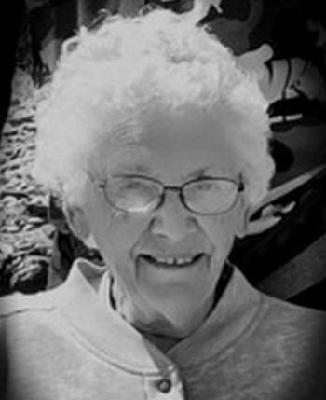
Reganne Reshonda Chekpa, a 20-year-old woman from Saint Francis, South Dakota, was a Sicangu Lakota community member whose life ended in violence on August 9, 2020. That day, what should have been the safety of home became the setting for a fatal encounter—one that would leave her family grieving and her community speaking her name alongside others lost to the crisis of missing and murdered Indigenous people.
Federal authorities later described the night as beginning with a visit.
According to court statements released by prosecutors, Tanyan Wakita Iron, also known as Sonny Iron, was at Reganne's home when he produced a handgun and tried to pressure her into a round of “Russian roulette.” She refused. Not long afterward, the gun went off and she was shot in the head, dying from the wound. Investigators also alleged that the weapon didn't simply remain where it fell into the story—Iron was accused of trying to hide the handgun after the shooting, a detail that shaped how the case was charged.
The legal case moved through federal court because the investigation involved tribal and federal law enforcement. A federal grand jury indicted Iron on September 9, 2020, accusing him of second-degree murder, discharging a firearm during a crime of violence, and tampering with evidence. When he appeared in court months later, on January 7, 2021, he entered a not-guilty plea, and he was held in custody as the case proceeded.
The outcome shifted in 2022. Iron ultimately pleaded guilty on January 27, 2022, to voluntary manslaughter. On May 27, 2022, a federal judge sentenced him to 84 months in prison, followed by three years of supervised release, along with a mandatory special assessment. The sentencing announcement tied the conviction back to the same sequence at Reganne's home—the handgun produced, the coercion into a deadly “game” declined, and the shot that ended her life—marking the case not as an unsolved tragedy, but as a homicide that resulted in a federal conviction and prison time.