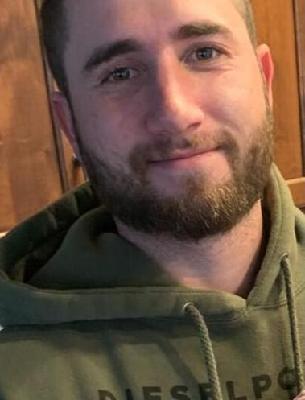
In Laramie, Wyoming, Robert Micheal “Robbie” Ramirez, 39, a Hispanic/Latino man, died on November 4, 2018, after what began as an ordinary traffic stop and ended at the edge of his own home, in the kind of sudden violence that leaves a town arguing not only about what happened, but about what should have happened instead.
That night unfolded in short, sharp steps: a deputy from the Albany County Sheriff's Office, Derek Colling, stopped Ramirez and the encounter escalated into a
physical struggle. In the chaos, Colling fired multiple shots, and Ramirez—described by his family and community as someone who struggled with mental illness yet was also known for warmth and an “infectious smile”—was taken by ambulance to a hospital, where his mother was soon told he had died. In the days that followed, grief gathered in public: people came to a vigil at the Laramie Skatepark, a place tied closely to Ramirez's life and the work he'd poured into the community, and candles and flowers clustered around his memory while demands for accountability rose alongside mourning.
Colling was the central figure in the investigation, and his actions were examined through the machinery that often follows an officer-involved shooting. Wyoming's Division of Criminal Investigation collected evidence, and the county prosecutor, Peggy Trent, convened a grand jury to consider whether there was probable cause to charge Colling—specifically weighing an involuntary manslaughter theory. After days of evidence presentation behind closed doors, the grand jury declined to indict, and Colling was not arrested or criminally charged in Ramirez's death.
Even without criminal charges, the shooting continued to ripple outward through courts and public records battles. Ramirez's mother, Debra Hinkel, filed civil actions that pressed not only the question of excessive force, but also how Colling had been hired and supervised, and whether crucial body-camera or dash-camera evidence had been mishandled. Colling denied tampering, and county officials disputed claims that audio had been altered or removed, turning the case into a long-running dispute over what the recordings did—or did not—capture at the most decisive seconds.
A financial settlement eventually closed part of the legal fight while leaving the larger story unsettled in the public mind. A county release stated that a global settlement agreement was reached in June 2022, including a payment of $1,200,000 to Ramirez's estate and no admissions of liability or wrongdoing, and it referenced continued efforts around crisis-intervention training and a determination within the settlement terms that there was no legal basis for evidence tampering. Years after the gunfire, the case remained a touchstone in Laramie—an event replayed in memory and debate, where the name of the deputy who pulled the trigger and the questions raised by Ramirez's death still shaped calls for how police should meet a person in crisis.