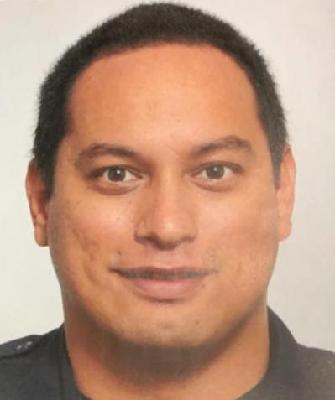
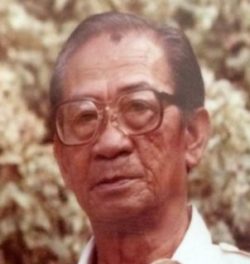
Tu'iono Siosiua “Josh” Liava'a, a 66-year-old male Tongan-born man, died on July 13, 2014, after a shooting inside a home on Waihee Road in Kahaluu, Hawaii. The killing stunned people on both sides of the Pacific, because Liava'a was not an unknown figure drifting through town but a man with a long, colorful life behind him: a former New Zealand police detective sergeant, a rugby league player, and someone whose name carried weight in Tongan and Auckland circles.
He had reportedly been spending time with friends and family in Hawaii, and there were accounts that he had viewed the islands as a place where he could feel safer. Instead, that sense of refuge ended in violence inside a house where voices reportedly rose before a rifle shot tore through the quiet.
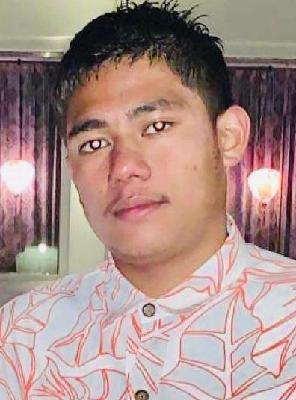
Authorities said Liava'a was shot in the head and taken to The Queen’s Medical Center, where he later died. Early reporting described the case as a family-linked shooting, and the details that emerged made it feel even more intimate and tragic. The accused was identified as 18-year-old Samuela Mataele, described in news reports as Liava'a’s relative, with some accounts calling him a nephew or uncle’s killer in court coverage. Police said that after the shot that struck Liava'a, another man, said to be 36 years old, was threatened as well but managed to escape and alert authorities. That widened the case beyond the killing itself and helped explain why prosecutors also added terroristic threatening and firearms charges alongside the murder accusation.
The arrest did not happen immediately at the scene. Reports said police launched a lengthy manhunt that lasted about seven hours before Mataele was taken into custody. His bail was set at $250,000, and he was brought into court soon after on a charge of second-degree murder, along with the other counts. The picture painted in those first days was one of confusion and grief: family members flying in, trying to reclaim Liava'a’s body, trying to understand how a visit among relatives could turn fatal, and trying to reconcile the public image of a man known for a dramatic life with the private violence that ended it.
As the case moved beyond the arrest stage, later reporting indicated it took a different turn than a straightforward murder prosecution. Mataele was said to have been diagnosed with schizophrenia, and a judge reportedly found him unfit to stand trial. Accounts from that later period said family members told the court he had a history of mental instability, and the matter was set for review rather than pushing directly into a standard trial. Based on the public reporting that is readily available, there is clear information about the arrest and the original charges, but a final public record of a trial verdict or conviction is not clearly established in those sources. What remains certain is that Liava'a’s death was treated as a homicide, that police identified and arrested a suspect from within his own family circle, and that the case became not only a story of violence, but also one shadowed by questions of mental illness, family rupture, and a life that ended far from the place many who knew him would later gather to mourn.