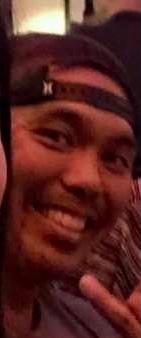
Micaiah Keith McCullah, a 39-year-old man from the Waianae–Makaha area, was killed on the night of November 20, 2019, after violence erupted in Makaha on Oahu's Leeward Coast. What began as a chaotic confrontation ended with gunfire, and by the time first responders arrived, he was beyond help.
Police said the shooting unfolded around 7:10 p.m. on Manuku Street, where medics found him suffering from multiple gunshot wounds and pronounced him dead at the scene.
In the earliest hours of the investigation, authorities had no immediate suspect information to share publicly, leaving family and neighbors with questions that lingered long after the flashing lights and taped-off street were gone.
In the days that followed, loved ones tried to piece together meaning from the shock, describing a life that revolved around family and work, and the sudden emptiness left behind. A public fundraiser posted in the aftermath framed his death as a murder and noted that investigators had released little information at that point, emphasizing that the case was still unfolding. An obituary published soon after confirmed his death in Makaha and placed him within the everyday rhythms of the community—married, employed, and rooted in a network of relatives and friends who now had to plan a farewell instead of an ordinary week.
As the broader story came into clearer focus in later reporting, the fatal shooting was repeatedly linked to a melee at a Makaha park that same evening. Two Waianae men—Sheysten James Ikaika Joseph and Brenon Kilinoe Joseph Nash—were described in subsequent coverage as being on state probation in connection with the November 20, 2019 fight that led to the deadly shooting. That state case did not resolve neatly into a single murder conviction in the accounts that were publicly summarized: instead, both men were reported to have originally faced second-degree attempted murder allegations for allegedly firing handguns at another man during the early-evening scrap, with later outcomes described as assault and firearm-related convictions leading to probationary sentences.