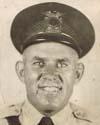
In the early morning hours of Tuesday, August 16, 1881, the town of Jacksonville, Alabama, was shattered by the sound of a gunshot ringing out across the public square. The ensuing moments would reveal a grim scene: Town Marshal Seaborn J. Crook, a 27-year-old male, lay dead, the victim of a fatal shooting. The news of his demise spread rapidly through the community, marking a violent end to a simmering conflict.
The chain of events leading to Crook's death began the previous day, which was the start of a criminal court week, drawing numerous people to the town. Amidst the increased activity and consumption of whiskey, Marshal Crook had made several arrests. One of those taken into custody was John A. DeArman. There were reports of a contentious interaction between the two men during the arrest and DeArman's incarceration in the town calaboose. While some rumors circulated that Crook had physically mistreated DeArman, a guard present at the time disputed these claims.
On that fateful Tuesday morning, DeArman rode into town armed with a gun, telling people he was going hunting. He made his way to a bar room and, without dismounting from his horse, ordered a drink. His attention, however, was fixed on Marshal Crook, who was on the public square. Crook, perhaps sensing the impending danger after the previous day's troubles, had armed himself with three breech-loading rifles borrowed from the local military company, remarking on their reliability. DeArman watched Crook until the marshal sat down on a hotel porch. It was then that DeArman opened fire, killing Crook.
Following the shooting, John A. DeArman was arrested and charged with the murder of Seaborn J. Crook. His trial concluded the following year. On a Saturday morning in August 1882, the jury returned its verdict. DeArman was found guilty of murder in the second degree. The court sentenced him to twelve years in the penitentiary for the killing of the town marshal. Throughout the reading of the verdict and the pronouncement of his sentence, DeArman reportedly showed no discernible emotion. His counsel did, however, indicate their intent to appeal the case to the Supreme Court.