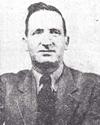
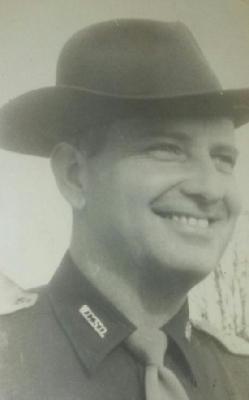
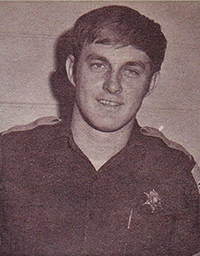
In the wooded hills west of Double Springs, Alabama, a tale of lawlessness and loss unfolded on a Wednesday afternoon, November 19, 1930. Deputy Sheriff George Washington Elliott, a 34-year-old white male, was a farmer and a lawman known in his community as a Godly man who loved his family. On that fateful day, he and his partner, Deputy Willis, were investigating an illegal still. They had been observing two men operating the distillery and decided to move in and make an arrest.
As the deputies approached, the two suspects fled in different directions, with each officer giving chase to one of the men. Deputy Elliott pursued his suspect and, according to the accounts of the time, managed to capture him. A struggle ensued in the dense woods, and in the chaos, the bootlegger managed to gain control of Deputy Elliott's own firearm. The suspect then turned the weapon on the deputy, firing a single shot that would prove to be fatal. Deputy Willis, having lost track of his own quarry, returned to the scene to find his partner grievously wounded.
The assailant vanished into the surrounding wilderness, leaving a community in shock and a family heartbroken. Deputy Elliott was survived by his wife, Malinda, who was expecting their ninth child, along with their eight other children—three sons and five daughters. His fourth son would be born five months after his father's tragic death. The community mourned the loss of a man known for his upstanding character and his role as the song director at Macedonia Baptist Church. His funeral was held at the very same church, where he was laid to rest in the Macedonia cemetery.
The search for Deputy Elliott's killer was swift. The suspect, a 34-year-old man, was identified by the officers who had been watching the still. He was apprehended in Gadsden on October 28, 1931. Following his capture, he was brought to justice for the murder of the dedicated lawman. He was ultimately convicted of second-degree murder and received a sentence of 10 years in prison for his crime. However, he would not serve the full extent of his sentence; he was paroled on December 14, 1934, leaving behind a story of a life cut short in the line of duty and a family left to navigate their future without their patriarch.