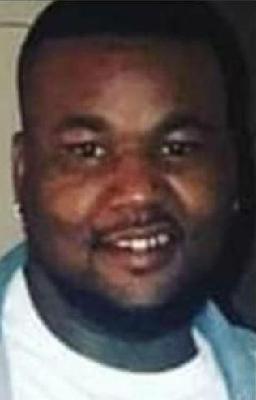
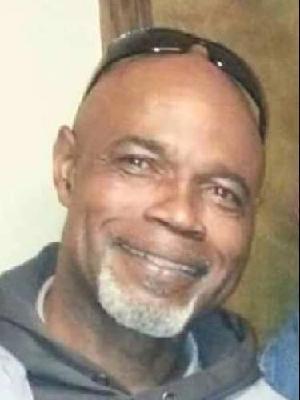
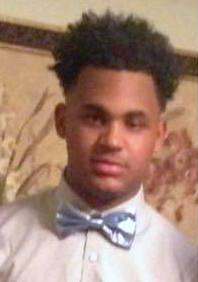
David Eugene Beck Sr., a 31-year-old White male from Mobile, Alabama, was killed on November 17, 1975, in a gun battle that began with what should have been an ordinary traffic stop and spiraled into one of the most infamous attacks on law enforcement in Mobile County history. Beck, a deputy sheriff with six years on the force, was among the officers drawn into a chase after Sheriff Ronald Kelso pursued a speeding vehicle on a country road in rural western Mobile County near Wilmer.
The car carried Jerre Chatom and David Wilson, and during the pursuit shotgun blasts were fired at Kelso’s patrol car. The fleeing vehicle left the main road, turned down a dirt track, and was abandoned at the edge of a swamp near the Alabama-Mississippi line, a place of dense brush, standing water, and almost no easy visibility.
As officers converged on the scene, Beck, Deputy Robert Stolz, and Deputy Sam Morgan went into the swamp on foot to look for the fugitives. What waited for them was an ambush. A burst of gunfire erupted from deep cover, so sudden and violent that the exchange was over in seconds. Beck and Stolz were mortally wounded, while Morgan was hit in the arm and survived. Other officers rushed toward the sound of the shooting and found Beck and Stolz either dead or dying in the swamp. The terrain made the scene even more harrowing, with heavy vegetation concealing the shooters and leaving the deputies exposed as they searched through the marsh.
The manhunt that followed was massive. Hundreds of officers from Alabama and Mississippi moved into the area, supported by bloodhounds and a helicopter. Before long, David Wilson was found dead in the swamp, shot in the chest, near a. 20-gauge shotgun and a pistol. Investigators determined that the shots that killed Beck and Stolz were fired from a. 20-gauge shotgun, not the. 12-gauge weapon associated with Chatom. Even so, the case against Jerre Chatom did not end there. Authorities captured him later that same day in Mississippi, roughly a mile and a half to two miles from the shooting scene, after he had crossed the swamp on foot. When he was taken back into Alabama, he was arrested and ultimately charged in the killings.
The legal story stretched on for years and made the case far more complicated than the violence of that afternoon. Chatom was first convicted of first-degree murder and sentenced to life imprisonment. His case was then fought through appeals, reversals, and retrials. Court records describe the prosecution’s original case as circumstantial and show that one early conviction was challenged over the handling of scientific evidence. Later proceedings still upheld the theory that even if Wilson had fired the fatal shots, Chatom could be held criminally responsible because the two men were acting together while fleeing after attacking an officer. In later trials, Chatom was again convicted, this time on two counts of second-degree murder, and again received life sentences. The convictions remained, and decades later officials in Mobile still identified him as the surviving suspect responsible for the deaths of Beck and Stolz.
The case never faded entirely from local memory. In 2019, when Chatom came up for parole, Mobile authorities and the families of the slain deputies opposed his release, and parole was denied. He remained imprisoned until his death in 2023. That left the final accounting of the case stark and grim: David Wilson, the other suspect, died the day of the ambush in the swamp, and Jerre Chatom was arrested, repeatedly prosecuted, convicted, and kept in prison for the rest of his life. For David Eugene Beck, the story ended in that remote stretch of Mobile County, where a deputy answering a call for backup stepped into a swamp and never came home.