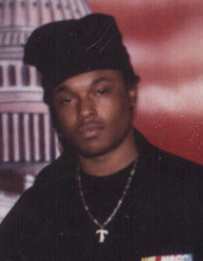
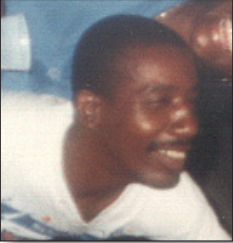
Gregory Ausbon, a 23-year-old Black man, was in the 1500 block of Benning Road NE in Northeast Washington, D.C., in the quiet hours before dawn on Wednesday, July 25, 2007, when gunfire shattered the stillness and ended his life. Around 2:00 a.m., police were alerted to a shooting, and when officers arrived at 1519 Benning Road NE they found him shot and fatally wounded, the early morning street suddenly turned into a crime scene under flashing emergency lights.
In the immediate aftermath, investigators from the Metropolitan Police Department worked to piece together what had happened on that block, searching for witnesses and clues that might explain why he had been targeted. Later compilations of District of Columbia homicide cases recorded the manner of death as a shooting and noted “mistaken identity” as the suspected motive, suggesting that the bullet that struck him may have been meant for someone else, even as the case remained officially open.
The sense that he had been caught up in violence not meant for him only deepened the tragedy for those who read his name among the city's unsolved killings.
The investigation was assigned to the department's Violent Crimes Branch, and authorities turned to the public for help. Flyers bearing his name and the details of the crime were circulated, and police announced a reward of up to $25,000 for information leading to the arrest and conviction of the person or people responsible. Detectives' phone numbers and the Metropolitan Police Department's Synchronized Operations Command Center line were published with repeated pleas for anyone who had seen or heard anything that night on Benning Road to come forward. Despite these efforts, no one was charged, and the case lingered without a publicly identified suspect, becoming one more unresolved loss in a city struggling with the toll of gun violence.
As the years passed, his name appeared on cold case listings and crime-victim memorial pages, a brief entry marking his death by gunshot and the fact that justice had yet to be done. These listings echo the official appeals, reminding readers that the promise of a reward still once existed for any lead that could break the silence surrounding that early morning shooting. They preserve the bare facts of the crime—his identity, the date, the street where it happened, the gunshot that killed him—while the unanswered questions about who pulled the trigger and why continue to hang over the case.