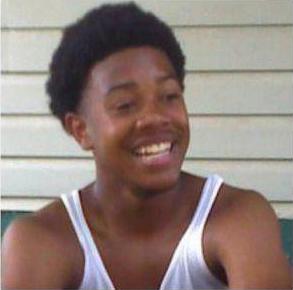
Parnell Joseph Jones IV, a 26-year-old Black male, died on June 10, 2016, after a shooting in Fairfield, Alabama. Online records place the violence on Myron Massey Boulevard, where he was reportedly found wounded in his car and later died at UAB Hospital from his injuries. The scattered public record gives the case a stark, unfinished feel: an obituary marked the loss on the same date, listed Birmingham-area funeral arrangements a week later, and placed his burial at Elmwood Cemetery, while
gun-violence databases and local homicide listings preserved only the bare outline of what happened that day in Fairfield.
What emerges from the online sources is less a full narrative than the shape of a life interrupted and a case that never seems to have been publicly fleshed out in detail. The available reporting indicates that his death was tied to a weekend shooting in Fairfield, and later summaries of Birmingham-area homicides describe the shooting site as the 5100 block of Myron Massey Boulevard. The public-facing sources that are still readily searchable do not supply a fuller reconstruction of the moments before the gunfire, nor do they lay out a public account of witnesses, motive, or the sequence that led him to be shot inside the vehicle.
As for suspects, arrests, and prosecution, the online trail appears painfully thin. The homicide listing on Bhamwiki specifically notes no arrest in the case, and the other accessible online sources tied to his death identify the killing and location but do not name a suspect, describe an arrest, or point to charges, trial proceedings, or a conviction. Based on the public sources that were available to review online, there is no clear indication that anyone was publicly identified or brought to court in connection with Jones’s death.
That leaves the story in the quiet aftermath: a young man killed in Fairfield, a funeral held days later in Birmingham, and a burial record that confirms where he was laid to rest even as the public account of who shot him remains elusive. In online memorial and obituary records, his name survives more clearly than the circumstances of the crime, and the most consistent thread across the sources is not resolution, but absence—the kind that settles over a case when a death is documented, remembered, and mourned, yet the public record still offers no visible arrest and no openly identified suspect.