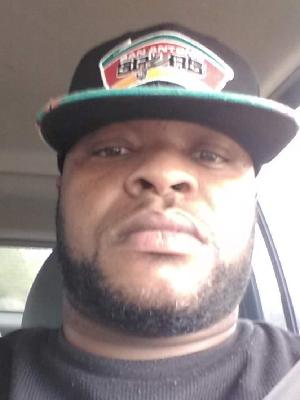
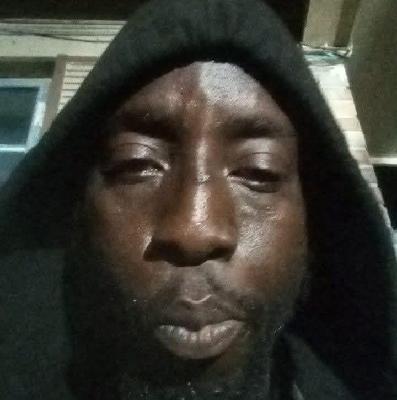
Antonio Anderson, a 40-year-old man from Hayneville, Alabama, was killed by gun violence on December 3, 2016, in a tragedy that surfaced publicly through later online memorial-style records. In the way these cases often first appear beyond a small town’s limits, the details arrived as fragments: a date, a place, and the blunt acknowledgment that the loss was caused by gunfire.
What can be pieced together from the public trail is that his death was tied to a violent confrontation connected to a gathering in Lowndes County. The only widely visible description of circumstances comes indirectly, through a referenced news headline about a fight at a party that ended in a deadly shooting. That phrasing suggests a night that escalated quickly—raised voices, a dispute that refused to cool down, and then the irreversible moment when someone produced a gun and ended a life.
Beyond that outline, the publicly accessible sources that surface most readily do not provide the kinds of specifics families and investigators cling to when they are searching for answers: no named shooter, no listed suspect, no description of an arrest, and no clear court path laid out for the public to follow. In the online records that mention Anderson’s death, the emphasis is on remembrance and basic incident identification rather than investigative developments, and they do not document any charges, trials, or convictions connected to his killing.