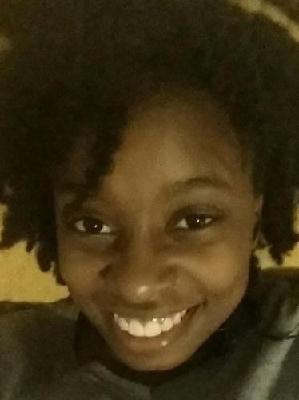
Nia Savage was a 15-year-old Black girl from Mobile, Alabama, whose Valentine’s Day in 2017 ended in horror inside her family’s home on Crenshaw Street. Reports said she was shot in the chest on February 14 and taken to USA Medical Center, where she died. In the first stunned hours after the shooting, police began focusing on the fact that only one other person was believed to have been in the room with her: her teenage boyfriend, Lakendrick Dyess.
Investigators recovered the gun and said it had been stolen from an unlocked vehicle during a Mardi Gras parade, a detail that made the case feel even more senseless, as if a chain of careless decisions had led straight to her death.
As the city absorbed the news, the case quickly turned into a search for Dyess. Mobile police publicly described him as a person of interest and said he might know how or why Nia had been shot. Because he was a minor, officials were limited in what they could release, but the message was clear: they wanted to find him, and they believed he was central to understanding what had happened in that room. Friends and family were left in an agonizing limbo, mourning Nia while waiting for answers that never seemed to come.
Eight days later, the case took another grim turn. City workers found a male body in Eslava Creek near a litter trap, and authorities identified it as Dyess. That discovery effectively ended any chance that investigators would ever question him in public or bring him into court over Nia’s death. News reports at the time described him as the person police had been seeking since the shooting, and his death transformed the investigation from a hunt for a living suspect into a case shadowed by two dead teenagers and two grieving families.
Months later, another painful layer emerged. Police said Dyess’s death had been ruled accidental, and reports stated investigators believed he died the same night Nia was killed. Nia’s parents told reporters they believed her shooting may have been accidental as well, though that belief did not bring them peace. Publicly available reporting does not show an arrest, criminal charge, trial, or conviction in Nia Savage’s case. What remains in the record is a brief, heartbreaking outline: a teenage girl shot inside her own home, a boyfriend who was the only person reportedly in the room, a stolen gun, a suspect who vanished and was later found dead, and a family left with grief instead of resolution.