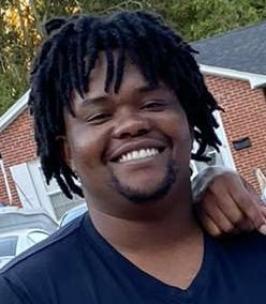
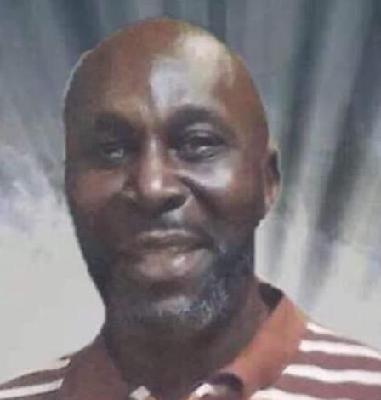
Richard Singley, a 53-year-old White man, was killed on the evening of December 15, 2017, in west Mobile, Alabama, when a 911 call about a single gunshot drew police to the 1400 block of Repoll Road at about 6:43 p.m. Officers arriving in the neighborhood found him outside in his front yard, already wounded by an apparent gunshot. The scene was urgent and stark: a man down in the open, the kind of moment where seconds feel heavy, and help can only come after the damage is done.
He was pronounced dead at the scene.
Investigators determined the shooting happened during an altercation, a confrontation that turned fatal before anyone could pull it back from the edge. That detail—an argument or struggle escalating into gunfire—framed the case from the start as something personal and immediate rather than distant or random. The early information released publicly focused on the basic arc of the night: the response to “one shot,” the discovery in the yard, and the conclusion that the killing occurred amid that conflict.
As the initial response gave way to the slower work of interviews, evidence collection, and reconstruction, authorities indicated the case would be presented to a grand jury. Public updates available online did not identify a named suspect, describe a manhunt, or announce an arrest tied to Singley’s death. No public reporting accessible online in the available sources showed formal charges, a trial, or a conviction connected to the killing, leaving the official public record centered on the response, the location, the altercation, and the intention to seek grand-jury review.