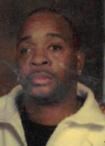
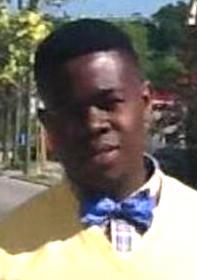
Rodney Hilleary, a 55-year-old Black man, was found dead on the evening of December 14, 2018, inside a home in Birmingham’s Pratt City neighborhood. Just after 5 p.m., officers were dispatched to a residence in the 500 block of Avenue T after a call came in about an unconscious man. When police entered the home, they discovered Hilleary unresponsive on the floor, and the coroner pronounced him dead at the scene.
From the start, investigators treated what happened inside that house as more than a sudden medical emergency. Birmingham Police confirmed the case was being investigated as a homicide, yet in the earliest public updates they held back key facts—most notably, they did not release a cause of death. The lack of details only deepened the unease around the case: a man had died where he should have been safest, and the public was left to wonder what unfolded in the moments before officers arrived.
In the days that followed, those closest to Hilleary spoke of his death in plain, painful terms. A published notice described him as having been “murdered” that Friday evening, placing the time around 5:15 p.m.—a narrow window that overlaps with the police response. The family prepared to lay him to rest with services scheduled for late December, while the investigation continued in the background, still searching for the story behind the scene on Avenue T.
As for accountability—arrests, suspects, or charges—early reporting offered none. Police stated there were no suspects in custody, and another report noted that no arrests had been made and that it was still unclear publicly how Hilleary died. Investigators asked anyone with information to contact homicide detectives, signaling that leads were needed and that whatever evidence existed at the scene had not yet pointed them to someone they could name.
Public records and memorial-style listings later continued to associate the date and location with a fatal act of violence, but they did not add verified details about who was responsible or whether a case had been made in court. Based on the available public reporting tied to the initial investigation, the trail remains defined more by what was not disclosed—no public suspect, no announced arrest—than by any confirmed resolution.