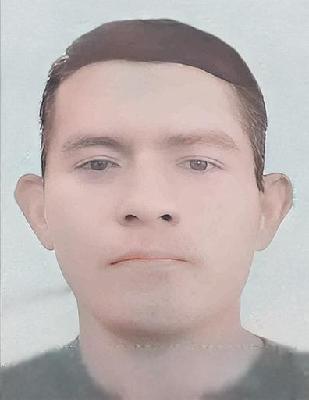
On the evening of January 25, 2019, Gregory Cole, a 47-year-old Black male from Montgomery, Alabama, was fatally shot. The incident that claimed his life was part of a series of violent acts that would later be connected to one individual. Cole's death was the initial crime in a spree that shook the community and launched a significant police investigation.
The investigation into Gregory Cole's murder led authorities to Elijah Reese.
The turning point in the case came as investigators delved into Reese's digital footprint. Content from his social media accounts and data from his cell phone began to weave a narrative that connected him to the crime. This digital evidence became a cornerstone of the prosecution's case. Further strengthening the investigation, a search of Reese's residence uncovered several firearms. Ballistic testing of these weapons provided a direct link to the murder of Gregory Cole, as the shell casings found at the crime scene matched those from the guns in Reese's possession.
The evidence against Elijah Reese was not limited to the death of Gregory Cole. Just days after Cole's murder, on February 2, 2019, Orangeal White was also killed. Investigators were able to connect Reese to this second homicide as well, painting a picture of a violent individual responsible for multiple deaths. The culmination of the investigation was the arrest and subsequent trial of Elijah Reese.
In August 2023, Elijah Reese was convicted for the murders of both Gregory Cole and Orangeal White. During the trial, prosecutors presented the compelling evidence they had gathered, including the incriminating social media and cell phone data, and the crucial ballistics report that tied Reese to the murder weapons. The jury found Reese guilty, and on September 7, 2023, he was sentenced for his crimes. The court handed down a sentence of life in prison, ensuring that the man responsible for the untimely death of Gregory Cole and Orangeal White would be held accountable for his actions.