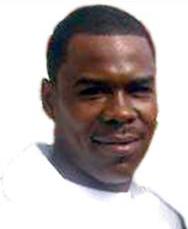
In the early morning hours of Saturday, June 25, 2011, tragedy befell a Northeast Washington, D.C. neighborhood. Bobby Lee Jackson, a 29-year-old man, was discovered lifeless in a lawn chair, having been shot multiple times in the back. The scene, located at the corner of 60th and Eads Streets NE, was grim, with numerous shell casings scattered nearby, indicating the violence of the encounter. Despite the late hour of approximately 1:30 a.m., when investigators believe the shooting occurred, an unsettling silence followed the gunfire.
The investigation into Bobby Jackson's death was immediately hampered by a lack of community cooperation. More than an hour passed before anyone in the densely populated area of small homes alerted the authorities by calling 911. This significant delay impeded the police's ability to swiftly gather leads and apprehend any potential suspects.
When detectives canvassed the neighborhood, they were met with claims of ignorance, with some residents stating they didn't hear the gunshots, while others dismissed the sounds as fireworks. This lack of forthcoming information left investigators frustrated and at a standstill.
In the weeks and months that followed, the case grew cold. Law enforcement officials expressed their belief that someone must have witnessed or heard something crucial to the investigation but were met with a wall of silence. No strong suspects were ever identified, and no arrests were made in connection with the homicide. Jackson's father, Bobby Jackson Sr., publicly pleaded for anyone with information to come forward, expressing his family's profound grief and their desperate need for answers and justice for his son. A makeshift memorial of beer bottles and stuffed animals, along with the words 'RIP Bob' spray-painted on a nearby wall, served as a somber reminder of a life cut short and a case that remained unsolved.