Do you know who murdered Josheryl Byrd? In Washington, D.C., Josheryl Byrd, an African-American/Black woman, was discovered shot to death on a cold Wednesday in late January 2006 behind Kimball Elementary School, in the 3300 block of Minnesota Avenue SE. On January 25, officers responded to the rear of the school and found her lying on the grounds, and investigators quickly determined that she had been killed by gunfire rather than by any natural or accidental cause.
The rear of Kimball Elementary, normally a place meant for
children walking to class or playing at recess, was transformed into a taped-off crime scene. Detectives and crime-scene technicians moved through the winter air, documenting the position of her body and searching the ground for shell casings, footprints, or any object that might hint at who had been with her in those final moments. Police canvassed the surrounding neighborhood, looking for residents who might have heard gunshots or seen unfamiliar cars or people in the alleyways bordering the school on the night before or the early hours of that morning.
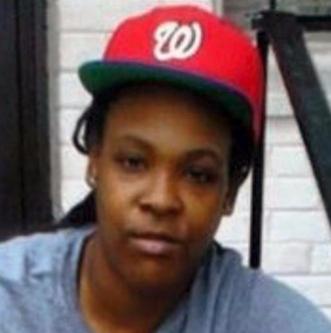
The Metropolitan Police Department's Violent Crimes Branch took over the case, and the department issued a public appeal for help. On an official reward flyer bearing her name and photograph, authorities described how she had been found shot to death behind the school and asked anyone with information about the incident or any suspicious individuals seen in the area to come forward. They listed contact numbers for detectives and for the Synchronized Operations Command Center, emphasizing that even small details about unusual activity around the schoolyard might make a difference. To encourage cooperation, the department offered a reward of up to $25,000 for information leading to the arrest and conviction of the person or persons responsible for her killing, making clear that the community's assistance was vital to moving the investigation forward.
As the case entered police databases and later public compilations of Washington homicides, it was cataloged as an open homicide investigation, with the manner of death listed as a shooting. One longitudinal dataset summarizing D.C. killings in those years recorded the suspected motive in her case as related to prostitution, a stark label that underscored the vulnerability of people living and working on the margins of the city. Whether or not that suspected motive captured the full reality of her life, it framed the way the case appeared in statistical records and helped explain why her death was often grouped with other unsolved killings of people viewed as especially exposed to violence.
Over time, the investigation did not lead to a public resolution. Her name appears on the Metropolitan Police Department's list of major unsolved homicides for 2006, a roster of cases where no one has been held accountable, and it is profiled on cold-case and crime-solver websites that ask the public to share anything they might know. Those summaries consistently note that, despite the reward and repeated appeals to the community, authorities have not announced any arrests, nor have they publicly identified a suspect or suspects in connection with her death. Josheryl Byrd's killing remains an open, unsolved homicide in Washington, D.C., her story preserved in brief police notices and cold-case listings that still invite someone, somewhere, to finally come forward.