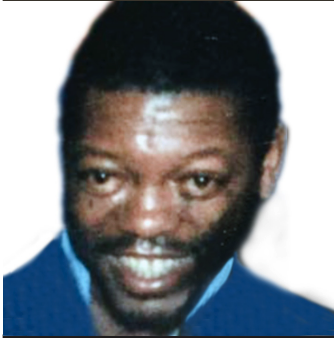
Do you know who murdered Pili Barker? Pili Barker was a 21-year-old African-American man from the 1400 block of Webster Street NW in Washington, D.C. In the first hours of Monday, November 8, 2004, he was far from his Northwest neighborhood, in Southeast Washington along the 1600 block of W Street SE. Just after 1:40 a.m., the streets there would have been mostly quiet when a report of gunfire drew police to the area. Responding officers arrived around 1:43–1:45 a.m. and found Barker in the roadway, fatally shot.
The scene, captured later in official summaries in just a few stark lines, marked the end of a young life whose final movements that night have never been fully explained in public reports.
Police quickly confirmed his identity and released his name and home block, noting that he had been found “fatally shot” in Southeast Washington in the early morning hours. Homicide detectives from the Metropolitan Police Department's Violent Crimes Branch took over the investigation almost immediately, treating the killing as one more in a series of early-2000s shootings that were claiming young lives across the city. The initial notices from the department were brief but urgent, stating plainly that Barker had been shot and killed on W Street SE and that investigators needed help to understand who had attacked him and why.
As days turned into weeks, the official response solidified into a formal appeal. The Metropolitan Police Department issued a reward flier offering up to $25,000 for information leading to the arrest and conviction of whoever was responsible. The flier emphasized that Barker had been killed at approximately 1:43 a.m. on November 8, 2004, and urged anyone with knowledge of the events on that block to contact Detective Dwayne Corbette or call the department's main tip line. His name was also added to the city's roster of major unsolved homicides for 2004, a public list of cases that remained open and active years after the crimes had occurred. That listing, along with later cold-case summaries, underscored that there was still no clear narrative of what led to the gunfire that ended his life.
Over time, Barker's case migrated from fresh investigation to enduring mystery. It has been taken up by cold-case advocacy sites, which repeat the basic facts—the time of the shooting, the Southeast street where he fell, the continuing reward—and describe the killing as an unsolved homicide. Forum posts linked to those sites reflect a growing sense of frustration that, despite the residential setting and the early-morning hour, so little information has surfaced about what witnesses might have seen. Some commenters note the apparent absence of solid witness accounts and plead for anyone with knowledge, however small, to come forward.
Public records and the continuing presence of Barker's name on unsolved-homicide lists show no indication that police have ever publicly named a suspect in the case or announced an arrest connected to his death. The reward flier remains framed as an open invitation for new leads, and law enforcement materials still ask for tips that could identify the person or people responsible. Nearly two decades after the shots on W Street SE, the official story of what happened to Pili Barker remains confined to those few, unchanging lines: an early-morning call, a young man found shot in the street, and an investigation that, at least in the public record, has yet to deliver justice.