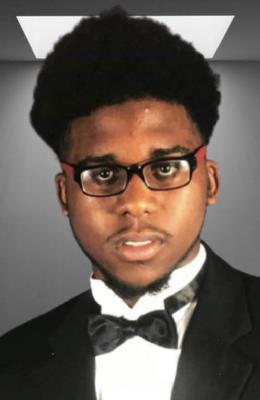
Dawn was just breaking over Selma when a call came in about someone lying in the street at the intersection of Broad Street and Third Avenue. When officers arrived around 5:30 a.m., they found Charles Steele, a 56-year-old Black man, dead with a gunshot wound to the head. In those first hours, police said they had no suspects, only the stark scene at the crossroads and the questions that followed as word spread that the city’s first homicide of the year had unfolded in the open air of a
public street.
As investigators worked the case, the picture that emerged pointed to a sudden act of violence tied to a robbery. About two weeks after the shooting, Dallas County District Attorney Michael Jackson announced that a 14-year-old had been arrested and charged with capital murder in Steele’s death, saying the teen shot him during a robbery near that same corner of Broad Street and 3rd Avenue. Prosecutors moved to push the case beyond juvenile court, filing a petition to certify the teenager as an adult—a step that, if granted, would place the child in the adult criminal system to face the capital charge. Public reporting at the time did not identify the juvenile suspect by name, and no additional suspects were described in those updates.