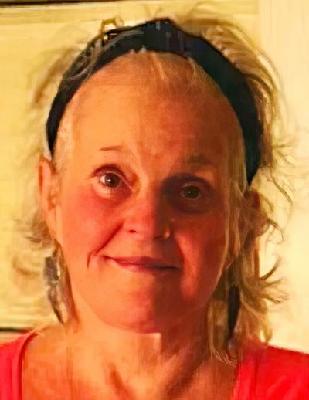
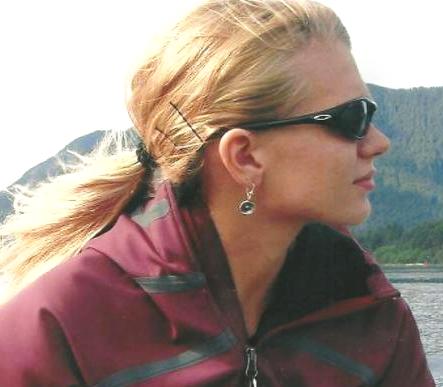
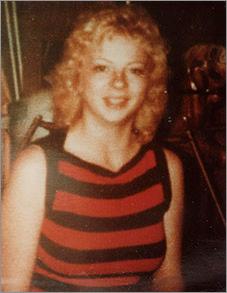
On January 31, 1981, 20-year-old Alaskan Native, female Marlene Jean Peters set out to hitchhike from Fairbanks toward Anchorage to see her ailing father and vanished along the route. Her disappearance fit an ominous pattern unfolding in and around Fairbanks at the time, where young women and girls were going missing along highways and pipeline roads skirting the Interior.
Months later, in May 1981, the 20-year-old female was found deceased off Johnson Road, roughly 32 miles south of Fairbanks, near the Trans-Alaska Pipeline corridor. The recovery came as spring exposed what winter had hidden, and investigators now had a body but few immediate answers about the final hours after she was last seen thumbing a ride out of town.
As detectives worked the broader string of disappearances and killings from 1979 to 1981, attention shifted to activity around Eielson Air Force Base. The investigation ultimately focused on Technical Sergeant Thomas Richard Bunday, an active-duty U.S. Air Force member stationed near Fairbanks during the spree. In March 1983, after a search of his property, Bunday confessed to killing five victims in the Fairbanks area—among them the 20-year-old female Marlene Peters—detailing how the series had unfolded under cover of ordinary drives on familiar roads. A procedural lapse meant he was released after the confession because there was no arrest warrant in hand.
Eight days later, on March 15, 1983, before Alaska authorities could complete the paperwork to bring him into custody, Bunday died by suicide when he steered his motorcycle head-on into a truck near Wichita Falls, Texas. With the suspect dead, his confession stood without a trial, closing the arc of suspicion but denying any courtroom resolution for the 20-year-old female and the other victims tied to the case.
No one else was arrested in connection with the homicide of the 20-year-old female, and no additional suspects have been publicly identified beyond Bunday, whose admission and death left investigators with a case effectively closed but never adjudicated. Publicly available memorial and case summaries continue to record her loss and place her among the victims of the Fairbanks-area serial killings of that era.