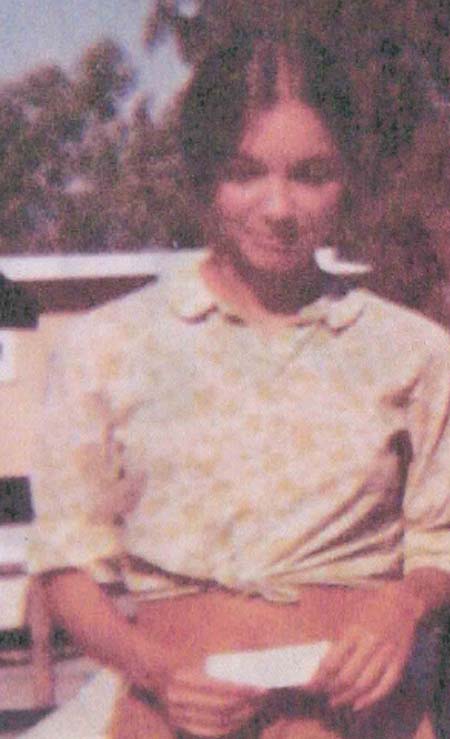
She was a 16-year-old white female from Anchorage on the eve of her seventeenth birthday. On May 3, 1982, Sabrina Lynn Imlach and three friends—Rebecca “Becca” Phillips, 16, Vern Jay Sylvester, 19, and Joseph Dean Kimler, 19—moved through the spring chill of East Anchorage toward Russian Jack Springs Park, a pocket of trees and trails split by DeBarr Road. They were teenagers with ordinary plans, the kind of night that should have ended with stories and laughter.
Instead, it ended under gunfire. In the darkness of the park, a stranger rifled a campsite and, when confronted, raised a. 38-caliber revolver and shot the four youths in the head. By the next morning, Anchorage newspapers would call it one of the grisliest nights the city had ever seen.
The gunman was Charles Louman Meach III, a drifter with a violent history who had once been found not guilty by reason of insanity in the 1970s for the fatal beating of a grocery clerk in an Anchorage park. In 1982 he was linked to Alaska's psychiatric system, reportedly out on a work-release pass from the Alaska Psychiatric Institute, when he bought a handgun off the street and went back to prowling the city's greenbelts. In Russian Jack Springs Park, the confrontation with the teens turned lethal. Meach later admitted the shootings, and investigators quickly separated the quadruple murder from a different triple killing that same hour elsewhere in the city.
Anchorage police hunted the killer through the week and, within days, had their suspect in custody. Records place Meach's apprehension in early May 1982; by month's end, court filings and headlines tracked a methodical case built on his confession and the physical evidence from the park. The scale of the crime, the youth of the victims, and the randomness of the attack shook Anchorage—parents warning their children about wooded shortcuts, lawmakers and editors arguing over how a man previously judged insane had been free to walk the city's trails with a gun.
Any hope that the shootings might be explained away by a successful insanity plea collapsed in court. In February 1983, Meach—by then 35—was convicted of four counts of first-degree murder and sentenced to four consecutive 99-year terms, a 396-year sentence that reporters described as the longest in Alaska's history at that time. The outcome helped catalyze changes to the state's approach to the insanity defense, including the creation of a “guilty but mentally ill” verdict and a narrowing of the legal definition of insanity—reforms debated and enacted in the wake of the killings.
Sabrina Lynn Imlach, age 16, female, was buried at Angelus Memorial Park after dying in Anchorage on May 3, 1982. Her name appears on memorial pages and gun-violence rolls, alongside Rebecca Phillips, Vern Sylvester, and Joseph Kimler—four young lives ended in a city park for nothing more than a tent and what was inside it. The case did not leave behind a mystery about an unknown assailant; the arrest, conviction, and extraordinary sentence fixed responsibility on Charles L. Meach III, who died in custody years later. What remains is the enduring ache of that night, a wound remembered by a city and by families who mark birthdays and anniversaries in silence.