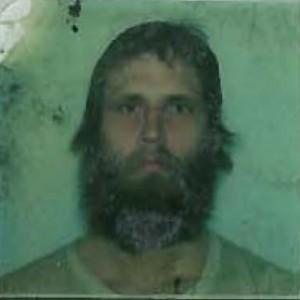
White/Caucasian male Roger Francis Culp, age 33, vanished from the Fairbanks area on April 28, 1984. That evening, he was last seen going to the nearby cabin of his neighbor, 25-year-old drifter and former Army marksman Michael Alan Silka; witnesses later described hearing a rapid series of gunshots soon after Culp entered. Blood in the snow and the abrupt silence around the cabin fed a growing fear that the meeting had turned deadly.
Culp's body was never recovered, and he would later be memorialized as lost to gun violence in Fairbanks on that date.
In the days that followed, Alaska State Troopers sought Silka for questioning in the disappearance and presumed killing of Roger Francis Culp, age 33. By late May, authorities publicly tied Silka to the case and warned that he had left the Fairbanks area, shifting their search toward the interior. The missing-person record that remains open to this day lists Culp's last known contact as April 28, 1984, from Fairbanks.
Three weeks after Culp disappeared, the manhunt for Silka intersected with a larger horror. In mid-May 1984, investigators identified Silka as the suspect in a mass killing near Manley Hot Springs. When troopers closed in on May 19, a firefight erupted on the Zitziana River. Trooper Troy L. Duncan was shot and killed; Silka died moments later under return fire from the pursuing helicopter team. With the suspect dead and Culp's remains still missing, the investigation's narrative congealed around a grim likelihood: Silka's Fairbanks-area neighbor had been his first known victim.
No arrests were ever made in the disappearance and killing of Roger Francis Culp, age 33. Instead, the suspect was killed in the shootout, leaving only witness recollections, a cabin stained by violence, and an empty place where a body should have been. Culp is remembered in public memorial rolls for gun-violence victims, and the case lives on in archival news accounts and missing-person files that trace the first thread of Silka's short, lethal path through Alaska.