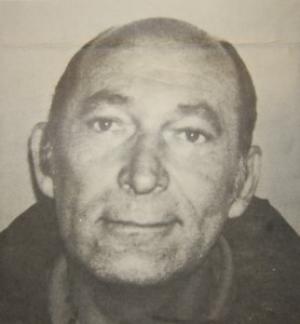
White/Caucasian male Steven Halonen, 66, died on December 9, 2016, in Fairbanks, Alaska. The day began and ended inside the west Fairbanks home he shared with his wife, a place that would become a crime scene before night fell. Police later documented that he had been shot multiple times; the quiet residential setting contrasted starkly with what investigators would soon piece together as a domestic violence killing.
His death was one more entry in the city's winter police logs, but the details quickly set it apart.
In the immediate aftermath, a phone call drew a human line through the official reports: Mary Edna Gansman phoned Steven Halonen's adult daughter and said she had shot him, claiming he had tried to strangle her. Responding officers found the 66-year-old seated in a chair, beyond help. That early confession, relayed to family rather than first to police, gave the case its first clear narrative while detectives worked the scene and gathered statements.
Within days, local coverage framed the shooting as a domestic incident, and the case advanced from shock to charges. The classification was later echoed in national gun-violence tallies that logged the killing as a fatal shooting with a domestic-violence component. Even as obituary notices marked the passing of a Vietnam-era Army veteran who had built a life far from his Minnesota childhood, the legal machinery in Fairbanks began moving toward a courtroom reckoning.
Arrest followed, and prosecutors pursued the case against Gansman. Nearly three years after the killing, she stood in court and changed her plea, admitting to second-degree murder in the death of her husband, 66-year-old Steven Halonen. The agreement called for a 20-year prison term, and court summaries note that sentencing was set for late November that year. With the plea, the abstract idea of a suspect hardened into a convicted perpetrator, and the narrative that began in a family phone call culminated in a felony conviction.
The arc of the case—from the multiple gunshots in a Fairbanks home, to a confession conveyed to the victim's daughter, to a guilty plea in 2019—left little ambiguity about arrests, suspects, or responsibility. What remained were the quieter records: a memorial entry, a burial notice, and a calendar date that fixed the end of a 66-year-old man's life to a specific winter day in Fairbanks.