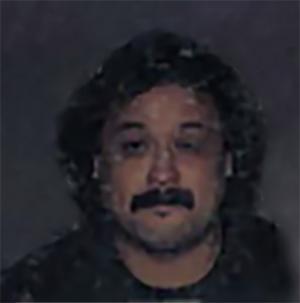
White/Caucasian male Todd Everett Nosal, 21, was found dead on April 5, 2015, in Fairbanks, Alaska. He was discovered near the Tanana River dike, and an autopsy determined he had been killed by a gunshot wound. Loved ones later memorialized that the 21-year-old's life ended suddenly on Easter morning, a loss felt across Fairbanks and nearby North Pole.
His name joined the rolls of gun-violence victims recorded for that date and place, fixing the time and location of a killing that arrived without warning and left a quiet shoreline marked by the wail of sirens and the careful work of investigators.
In the months that followed, Alaska State Troopers and the Alaska Bureau of Investigation pursued leads tied to the shooting. After roughly nine months of investigation, troopers arrested a 23-year-old Fairbanks resident, Yelisey Campbell, on January 28, 2016. Shortly thereafter, a Fairbanks grand jury indicted Campbell on charges of first-degree murder and tampering with physical evidence in the shooting death of the 21-year-old. Publicly available sources that recount the case describe the arrest and indictment but do not document a subsequent conviction or final court disposition in the record accessible here, leaving the legal end of the story unresolved in the public eye.
Years later, the grief and remembrance pieces that remain—an obituary notice in the local paper and online memorial entries—stand alongside brief case summaries and cold-case listings that continue to ask for information. From these traces, the outline endures: a 21-year-old man cut down by a gunshot on a river dike, a community mourning, and a named suspect brought before a grand jury, with the ultimate fate of the charges not clearly recorded in the sources available.