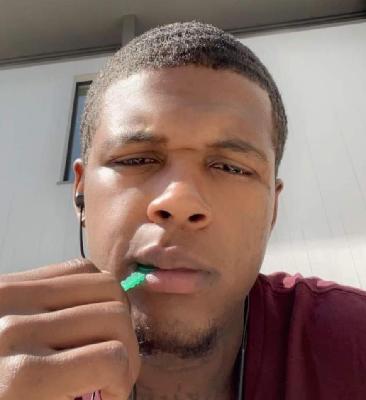
On a frigid morning on January 28, 2016, the city of Anchorage bore witness to a tragedy that would resonate long beyond its serene shores. Foriegnne “Onie” Aubert‑Morissette, a 20‑year‑old Black male from Anchorage, was discovered critically wounded near the tranquil sands of Point Woronzof, falling victim to a savage act of violence.
At approximately 8:30 a.m., a dog walker stumbled upon the lifeless form of 19‑year‑old Selena Annette Mullenax along a bike trail tracing the bluff's edge. Just an hour later, authorities found Foriegnne nearby—gravely injured from a gunshot to the head. Despite rushing him to a hospital, the 20‑year‑old Black man succumbed to his injuries within hours, his life extinguished amid searing shock.
As the city stirred into the day, investigators began weaving the contours of a grim story. The Anchorage Police Department, confronted with two young lives extinguished in close proximity, confirmed they were investigating a double‑homicide. The victims—Selena, age 19, and Foriegnne, age 20—had been discovered near a scenic overlook along Cook Inlet's edge, where the land meets sea, and jets pass mere yards overhead. Autopsy results were pending, and police were tight‑lipped on cause and motive, seeking only to urge the public to come forward with any knowledge of the victims' activities or relationships in the hours before the tragedy.
While authorities pondered motive and connection, dark whispers began to coalesce around one suspect. In December 2016, a grand jury returned an indictment charging 21‑year‑old Jamal Hall with first‑ and second‑degree murder in the deaths of the 19‑year‑old female victim and the 20‑year‑old Black male, Foriegnne Aubert‑Morissette. Prosecutors alleged that Hall had first shot Foriegnne near the beach before turning the weapon toward Selena along the trail nearby. Days later sources reported he was arrested at a residence—sparking another development when two individuals were also charged with hindering his capture, suggesting a network of complicity in the wake of the slayings.
Years passed, and the winding path of justice moved forward. In September 2022, Jamal Hall—then 27 years old—pleaded guilty to two counts of second‑degree murder, the charges reflecting “extreme indifference” rather than premeditated intent. He had initially faced four counts, including two first‑degree charges, but the plea narrowed the scope of his culpability. His sentencing was slated for January 12, 2023, as authorities awaited a pre‑sentencing report.
Thus unfolded the story of Foriegnne Aubert-Morissette—a 20-year-old Black male from Anchorage—whose life was cut short on January 28, 2016, in a violent incident that also claimed the life of a 19-year-old female companion. The details that emerged painted a somber narrative: two young people discovered in the hush of a winter morning, the investigation that followed, the connection to Jamal Hall, his eventual arrest and plea. No joyous tale, but one marked by youthful promise tragically halted—even as justice, in its slow and measured way, finally edged into place.