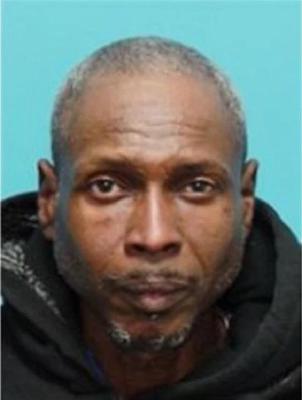
On the evening of April 24, 2022, Urian Dion Woods, a 40-year-old Black man, was moving through downtown Birmingham when gunfire tore into the moment. Police were first sent to the 2300 block of 7th Avenue North just after 6 p.m. on reports that someone had been shot. Almost as quickly, the scene shifted a few blocks away, to Guglielmo Marconi Park in the 600 block of 25th Street North, where Woods was found wounded after investigators said he had been shot at the first location and ran before
collapsing. Birmingham Fire and Rescue rushed him to UAB Hospital, but he did not survive.
In the first hours after the shooting, detectives worked the distance between the street and the park, treating it like a trail of urgency: where the shots were fired, where Woods tried to escape, and where he finally fell. Authorities said a suspect was detained and questioned as the homicide investigation began to take shape around what had happened on 7th Avenue North and the desperate run that followed.
Days later, investigators tied the case to a name already sitting in the county jail. Reporting at the time said 26-year-old Dmarcco Montez Harris was suspected in Woods’ killing, and that he was already in custody in Jefferson County on separate allegations tied to another shooting—one that police said involved a murder and an attempted murder. The Woods case became, in effect, a second shadow hanging over the same suspect, with the city’s investigators stacking timelines and statements while the public learned the two cases were only days apart.
The legal turn came when a murder charge was filed against Harris in connection with Woods’ death, but the case did not move cleanly toward trial. Later reporting stated that prosecutors ultimately dismissed the charge in Woods’ slaying, citing that they did not have enough evidence to proceed. With that decision, the most direct path to a courtroom ending for Woods’ case bent back into uncertainty—an arrest and accusation on record, then the charge falling away, leaving the killing without a conviction tied to it in the available public reporting.