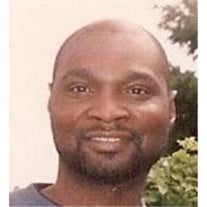
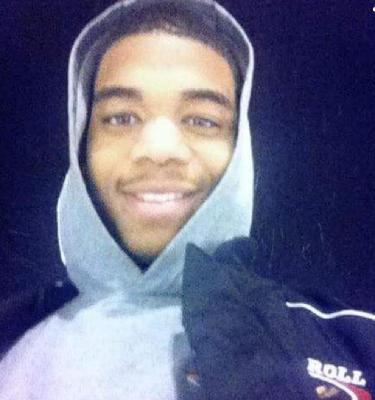
Leroy Earl Sumlin, a 45-year-old Black man, died on September 10, 2021, in Birmingham, Alabama, after a late-night shooting left him mortally wounded inside a vehicle in the Elyton Village housing community. Just before 10:30 p.m., officers were dispatched to the 200 block of 4th Court West on a report that someone had been shot. When they arrived, they found a man slumped unresponsive in the driver’s seat, suffering from gunshot wounds, and emergency responders pronounced him dead at the
scene. Investigators said it appeared he was shot while still inside the car, and in the chaotic moments that followed, the vehicle rolled forward and struck a building, turning the crime scene into a stark tableau of violence and sudden, irreversible loss.
In the earliest public accounts, police described the case as a homicide investigation with few details immediately available, a familiar refrain in a city often grappling with overnight gunfire. News reports emphasized that detectives were still working to determine what led up to the shots and who was responsible, while investigators asked anyone with information to contact the Birmingham Police Department’s Homicide Unit. At that stage, authorities had not publicly identified a suspect, and there was no indication of a quick break in the case—only the beginnings of an investigation and the pressure of unanswered questions hanging over the neighborhood.
In the days that followed, funeral notices marked the passage from crime-scene urgency to grief and remembrance, listing services for LeRoy Sumlin in Birmingham and placing his death date on the same Friday the shooting occurred. Public reporting and later case summaries available online continued to reflect what investigators signaled at the outset: despite the response, the scene, and the clear evidence of a fatal shooting, no arrest had been announced in connection with Sumlin’s death, and no suspect or suspects were publicly named in the sources reviewed.