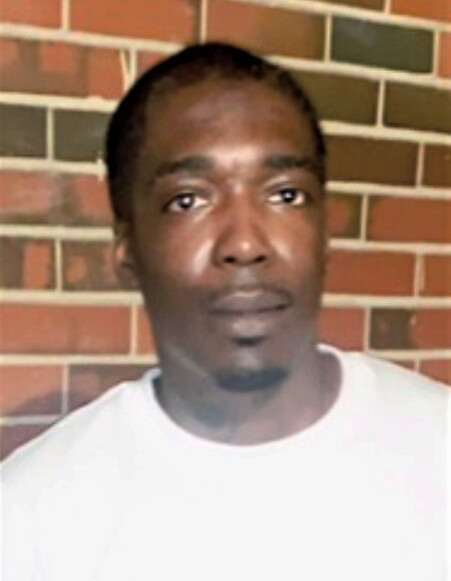
Rasheem Emark Sledge, a 42-year-old Black male from Birmingham, was shot in the early morning hours of September 1, 2019, after violence broke out inside BadBoyz Entertainment Center on Bessemer Road. Police were dispatched at about 2:13 a.m. on a report of a fight, and while officers were on the way, they were told that someone had been shot. When they arrived, they found Sledge lying unresponsive on the floor with a gunshot wound.
Birmingham Fire and Rescue took him to UAB Hospital, but he did not survive.
What unfolded, according to police and later reporting, was not described as a random nightclub killing but as the deadly end of a personal dispute. Investigators said the shooting stemmed from a domestic altercation between Sledge and his girlfriend inside the club. In the chaos, a security guard was also shot in the arm, though that wound was reported as non-life-threatening. The scene appears to have turned from a fight into gunfire in a matter of moments, leaving one man dying on the floor and another wounded while patrons and staff tried to make sense of what had just happened.
Police identified Sledge soon afterward, and investigators focused on his girlfriend as the central figure in the shooting. Reports said a second security guard detained her at the nightclub immediately after the gunfire, and she was then turned over to Birmingham homicide investigators. That meant there was a suspect in custody at the scene in the immediate aftermath, but the case did not develop into the kind of murder prosecution that often follows a nightclub shooting.
Instead, Birmingham homicide investigators presented the evidence they gathered to the Jefferson County District Attorney’s Office for review. After that review, the shooting was ruled justifiable. In practical terms, that meant the death remained part of the city’s homicide record, but authorities did not treat it as a chargeable murder. No arrest leading to prosecution, no murder charge, and no conviction have been reported in connection with Sledge’s death. The available reporting points to his girlfriend as the identified suspect at the scene, but the final legal outcome was that prosecutors considered the shooting justified rather than criminal.
In the days that followed, the public record shifted from the violence of the nightclub to the rituals of mourning. His obituary identified him as Rasheem Emark Sledge Sr., and funeral services were scheduled in Birmingham less than a week later. The case, then, became one of those deaths that began in flashing lights and confusion but ended not in a courtroom battle, rather in a prosecutorial decision that closed the criminal side of the story while leaving behind the human loss of a man killed during a private dispute that spilled into a crowded public place.