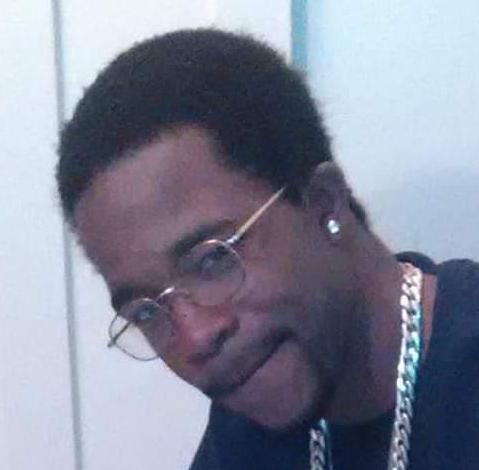
Before dawn on September 16, 2021, firefighters and Birmingham police were dispatched to a house fire in the Kingston area, at a residence in the 4500 block of 11th Avenue North. When the flames were knocked down, they discovered Christopher Diltz, a 33-year-old man from Birmingham, dead inside the home.
What first looked like a fatal fire quickly turned into something darker.
Investigators said the Jefferson County Coroner/Medical Examiner concluded Diltz had been stabbed multiple times, and that those injuries—not the fire—were believed to be the cause of death. The blaze, coming after the violence, left a charred scene that complicated the early hours of the investigation and made the case feel, to those who loved him, like a deliberate effort to erase what happened.
In the days that followed, police publicly acknowledged how little they could say about why Diltz was targeted or who might have been responsible, describing details about the death and the fire as limited while urging anyone with information to contact homicide investigators. Reports from that period did not identify any suspect, nor did they report an arrest connected to his killing; instead, the case was framed as an active homicide investigation in need of tips.
As investigators worked, the people closest to Diltz tried to make sense of the abrupt, brutal end to a life they described as service-minded and full of personality. Family members told reporters they had worried about him while he served in Iraq, never imagining he would die at home in Birmingham under such violent circumstances. They spoke about him standing out at Woodlawn High School—drawn to leadership and performance, remembered for the way he threw himself into what he loved—and they planned a celebration of life at the school as they waited for answers that still had not arrived publicly.