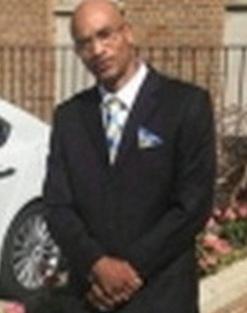
James Beasley, a 31-year-old African-American/Black male, was struck down on a summer Sunday night in Milwaukee. Around 9:30 p.m. on July 11, 2010, he was walking north along the 3500 block of North 24th Place when gunfire erupted. He was hit several times and died at the scene, the quiet of the residential block broken by squad lights and the hiss of radios as officers marked the casings and taped off the curb where he fell. A 19-year-old who was with him was shot in the leg and survived, whisked away from the block even as detectives began their canvass.
Detectives said they believed the attack was targeted. In the early hours and days that followed, they announced no arrests, and the case joined a grim roster of 2010 killings that would remain without charges. Local records and memorial notices fixed the essential details—the date, the city where he died, and his age—while the police summary captured the stark circumstances on that block of North 24th Place.
In the months that followed, the homicide was still listed among unsolved cases for that year, a line in the Journal Sentinel's annual accounting that underscored how quickly some investigations stall when witnesses are scarce and fear lingers on the street. Years later, case summaries maintained by cold-case and crime-tracking sites continued to reflect the same core facts: the precise location, the date, and the absence of a named suspect. No subsequent public reports document an arrest in the shooting that took Beasley's life.