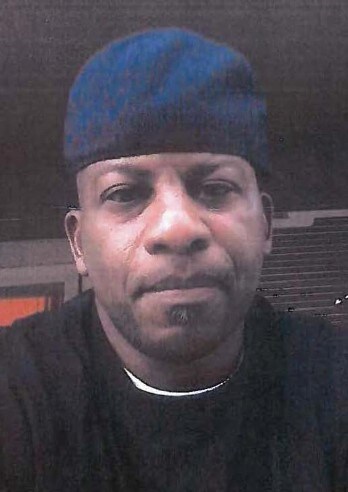
In the autumn of 2016, a 48-year-old Denver mechanic named David Henderson found himself in a terrifying predicament. A Black male, Henderson had tried to do the right thing by reporting information to the police about a robbery of a marijuana shop that took place in August of that year. He had overheard details about the crime while working on a car belonging to the suspect's mother, Tina Black.
Inside her vehicle, he also saw gloves and masks, which he photographed and provided to law enforcement. This information, along with details about guns and drugs at the motel where Tina and her son, Terance Black, lived, led to Terance's arrest on September 23, 2016.
However, what was intended as a civic duty turned into a death sentence for David Henderson. In a catastrophic clerical error, Henderson's name and personal information were inadvertently disclosed to Terance Black. Less than a month after the arrest, on the night of October 12, 2016, Henderson was ambushed and tragically killed at 425 S. Galena Way in Denver. He suffered multiple gunshot wounds from two different firearms. In the time leading up to his death, his sister, Karen Henderson-Atkins, recalled that she had never seen her brother so frightened. He was desperately trying to gather enough money to flee to Florida, a plan he would never get to realize.
The investigation into David Henderson's murder led back to the very people he had helped put behind bars. Terance Black, who was 26 at the time, and his 51-year-old mother, Tina Black, were identified as the primary suspects in the retaliatory killing. The motive was clear: to silence a witness who had dared to cooperate with the police. The subsequent legal proceedings brought the chilling details of the case to light, painting a grim picture of a witness who was failed by the system that was meant to protect him.
Ultimately, justice for David Henderson came in the form of life sentences for his killers. In February 2019, both Tina and Terance Black were sentenced to life in prison without the possibility of parole for the murder of the man who had simply tried to do what was right. During her sentencing, Tina Black denied her family's involvement and decried what she termed 'black-on-black crime.' The district attorney for Arapahoe County described the case as a 'nightmare scenario' where sensitive information fell into the wrong hands, leading to the tragic and preventable death of a good man.