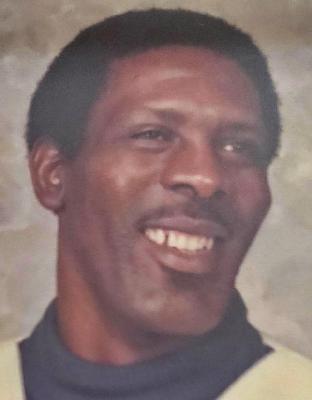
Denny Miller was 33 years old, a Black man from Memphis, Tennessee, and on October 20, 2012, his name became the kind people speak softly, the kind that suddenly carries a weight it never should. In a city that never truly stops moving, the world kept turning around the ones who loved him, even as their own time seemed to stall—caught between disbelief and the sharp reality that he was gone.
When someone dies, the first details that surface are often the simplest, the ones that feel
too small to contain a whole life. A name. A date. A hometown. And then the quiet work begins—phone calls made with trembling hands, messages sent that feel unreal, relatives arriving with red-rimmed eyes, friends gathering in living rooms and on porches, searching for the right words and finding none. Grief has its own language, and in those first days it speaks in pauses, in sighs, in the way people stare at the floor when the memories come too quickly.
As plans took shape, the moments meant to honor him became a kind of promise: that he would be remembered with intention, that he would not be reduced to an announcement. His service was set for noon on Saturday, October 27, at Deliverance Temple COGIC on Millbranch Road, a place where people would come together not because they had answers, but because they needed to be near one another. Afterward, he was to be laid to rest at New Park Cemetery, and arrangements were entrusted to N.J. Ford & Sons Funeral Home—names and locations that, for those who loved him, would forever be tied to the day they had to say goodbye.
In the notes left behind by those who cared, you can feel the shape of a community leaning in. Some messages were brief—just a line or two, the kind of words people write when their hearts are full and their sentences won’t cooperate. Others reached backward into shared time: a memory of school days, the recognition of a familiar face in the mind, the shock of learning that someone once close now belongs to the past. Even the simplest condolences carried something larger: the admission that his absence mattered.
There is a particular ache in the way people promise they will never forget. It is both comfort and confession—comfort for the family, and confession from the writer that a piece of their own life has been altered. In those expressions of sympathy, you can sense how grief spreads outward, touching coworkers, classmates, neighbors, friends of friends—anyone who ever stood beside him for a moment and now feels the hollowness of that moment ending too soon.
What remains publicly in the information shared is not a full accounting of how he died, nor a clear narrative of what led to his death. The details that might explain the “why” and “how” are absent here, leaving only what the grieving are always left with in the beginning: the “who,” the “when,” and the aching fact of love that doesn’t know where to go next. And so, in this telling, there are no confirmed names of suspects, no documented arrests, no courtroom milestones to trace—only the quiet boundary of what has been provided and the space beyond it, where questions can linger.
Still, a life is not measured by the missing details of its ending. It is measured by the way people show up when it’s over. It is measured by the prayers offered in a sanctuary, the steady hands that pass tissues down a pew, the hugs that last longer than usual because no one wants to let go. It is measured by the drive to the cemetery, the hush of the procession, and the silence that follows when everyone returns to a world that feels unfamiliar without him in it.
In Memphis, on that October Saturday, people came to place him in the center of a room one last time—not as a headline, not as a rumor, not as an afterthought, but as Denny. They gathered in the way families and friends have gathered for generations, carrying memories like candles, sharing them carefully, trying to protect each other from the sharp edges of grief. And even without a complete account of his final hours, what is clear from what’s been shared is this: he mattered, he was loved, and his name was spoken with the kind of tenderness that only comes from knowing someone’s absence will be felt for a long time.