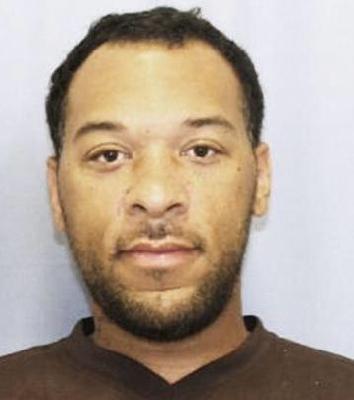
On December 12, 2009, Dennis Dooley, a 24-year-old resident of the Hill District in Pittsburgh, Pennsylvania, was fatally shot. Dooley’s death was part of a broader pattern of violence affecting Pittsburgh that year, with a notable rise in homicides throughout the city. He was among the 87 recorded homicides in Pittsburgh in 2009, which highlighted the ongoing issue of violence in the city, especially affecting young African American males. The Hill District, where Dennis lived, is one of the neighborhoods that had been struggling with elevated crime rates, and Dooley's murder further underscores the precariousness of safety in this part of the city.
The details of the incident indicate that Dooley was found shot, and emergency services responded, but efforts to save his life were unsuccessful. As with many homicides in Pittsburgh during that period, there were no immediate suspects identified, and the investigation faced challenges related to a lack of witnesses or actionable leads. The authorities urged anyone with information to come forward, but the fear of retaliation and other societal barriers have often hampered community cooperation in such cases.
The broader context of Pittsburgh during this time reveals that young African American males, such as Dooley, were disproportionately affected by homicide. From 2000 to 2012, over 86% of the homicide victims in Pittsburgh were African American, and a large majority were male and under the age of 30. This demographic profile matches that of Dennis Dooley and emphasizes the systemic challenges faced by communities in the Hill District and similar neighborhoods. The prevalence of firearms in homicides in Pittsburgh was significant, with an estimated 80% of homicides during this period involving a firearm, which was the most common means of violence. This environment of violence continued to pose a challenge for law enforcement and community safety initiatives.
The homicide of Dennis Dooley remains unsolved, as do many cases from that year, contributing to an ongoing struggle to bring justice to victims and their families. This lack of resolution reflects larger systemic issues within Pittsburgh, including the need for improved community trust and better investigative resources to solve violent crimes effectively.