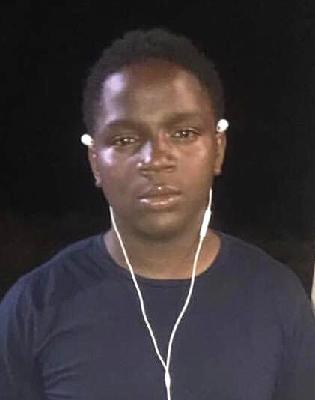
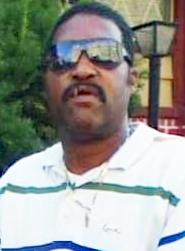
Izel Junious was a 23-year-old Hispanic/Latino male from Philadelphia, Pennsylvania, whose death on December 19, 2012, left behind a painful silence in the public record and, more importantly, an emptiness in the lives of the people who knew him. The available information about Izel is limited, but even in those brief details, there is the outline of a young man whose life mattered deeply. He was not just a name in an obituary or a date attached to a tragedy. He was someone’s family,
someone’s friend, someone’s classmate, and someone whose presence was remembered with warmth after he was gone.
The public record does not explain what happened to Izel or describe the circumstances that led to his death. It does not offer a clear timeline, a scene, a motive, or the kind of answers that families and communities often spend years hoping to receive. What it does show is that Izel died far too young, at an age when so much of life should still have been ahead of him. At 23, he should have had time to grow older, to make plans, to change directions, to build a future, and to continue being part of the everyday lives of the people who cared about him.
After his death, funeral services were held in Philadelphia, and he was laid to rest at White Chapel Cemetery. Those details are simple, but they carry a heavy weight. They mark the point where a family had to gather not for a celebration or milestone, but to say goodbye. They mark the moment when friends and loved ones had to face the reality that Izel would no longer walk through the door, answer a call, share a laugh, or be there for the ordinary moments that become precious only after someone is gone.
One of the few personal memories visible in the available online information describes Izel as someone who made others laugh and as a blessing to those around him. That kind of remembrance says something important. It suggests that Izel’s impact was not measured only by major accomplishments or public recognition, but by the way he made people feel. To be remembered for laughter is to be remembered for light. To be called a blessing is to have left behind a feeling of kindness, joy, and connection that continued after death.
Because the available sources do not provide details about suspects, arrests, charges, or court proceedings, there is no confirmed public account of anyone being held responsible for Izel’s death. No reliable information was available identifying a suspect or suspects, and no confirmed details were found regarding a trial, conviction, sentencing, or punishment connected to the case. That absence of information leaves the story incomplete, especially for anyone searching for answers about what happened and whether justice was ever pursued or achieved.
What remains is the story of a young man gone too soon and the people left to remember him. Izel’s death is not made less significant because fewer details are publicly available. In many ways, the lack of information makes the loss feel even more haunting. It leaves behind unanswered questions, but it also makes the human part of the story stand out more clearly: Izel lived, he was loved, he was remembered, and his absence mattered.
For those who knew him, Izel Junious was more than the limited facts that can still be found online. He was a person with a voice, a personality, a history, and relationships that could not be captured fully in a short notice or a public record. His story is one of grief, memory, and unfinished answers. Even without a detailed account of the circumstances surrounding his death, the available information shows that his life had meaning, and that losing him at just 23 years old was a heartbreaking loss for the people and community connected to him.