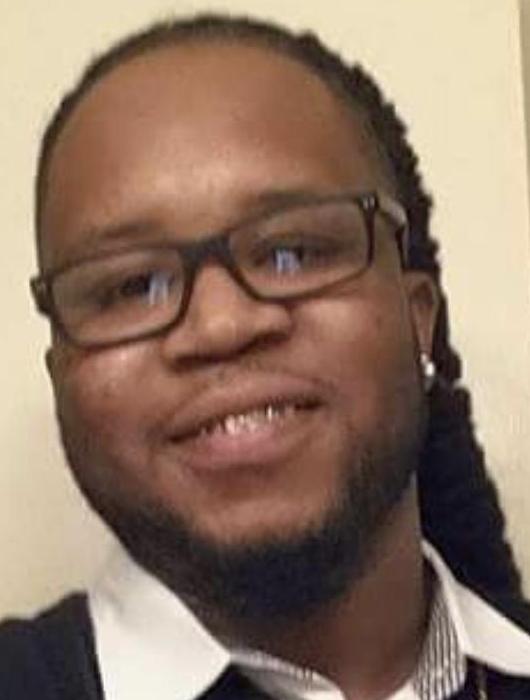
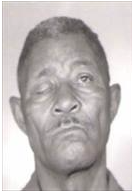
Do you know who murdered Eric? Eric Delon Edwards, a 24-year-old African American man from Tulsa, Oklahoma, had celebrated his birthday just ten days earlier when the night of August 24, 2000, caught him stranded on North Garrison Avenue with a car that refused to cooperate. It was the deep quiet of the early morning, around 2:28 a.m., when most of the neighborhood slept and the streetlights threw long pools of light over the pavement at the 4500 block of North Garrison.
His vehicle had become disabled in the roadway, and he stepped out to try to understand what had gone wrong, working in the dim glow of the street and whatever light he could muster as passing traffic thinned to almost nothing.
While Eric was outside his car, focusing on the mechanical problem in front of him, two male figures approached along the street. They did not come to help. Without warning, the pair opened fire on him there in the roadway, turning a routine moment of frustration over a broken-down vehicle into a sudden and lethal ambush. Multiple rounds struck him as the gunmen unleashed a burst of violence and then vanished back into the darkness, leaving Eric lying near his disabled car before he had any chance to defend himself or call for help. By the time police and emergency responders arrived, he had already succumbed to his wounds and was pronounced dead at the scene, the quiet early-morning street transformed into a taped-off crime scene under harsh emergency lights.
In the hours that followed, detectives searched the stretch of North Garrison for shell casings, witnesses, and any clue that might explain why Eric had been targeted. The investigation quickly established the basic facts: he had simply been tending to a disabled vehicle when two male suspects approached and shot him several times in the middle of the street. What the investigation did not yield was an answer to the larger questions that haunted the case—who those men were, how they came to cross paths with Eric at that exact moment, and why they chose to kill him. Public summaries of the case describe the shooters only as unknown male suspects and emphasize that he was struck multiple times, but they offer no hint of a clear motive, no indication of a robbery or dispute that might explain the sudden gunfire.
As days turned into years, Eric’s name moved from the fresh case files to the rolls of unsolved homicides, joining the growing list of cold cases maintained by the Tulsa Police Department and nonprofit groups that track unsolved murders across Oklahoma. His case appears in official city and police databases as a cold case from August 24, 2000, and organizations dedicated to unsolved homicides still highlight his story, urging anyone with information to come forward and stressing that the victim was shot to death on North Garrison Avenue that summer night. Public descriptions repeatedly note that the motive for the killing and the identities of the gunmen remain unknown, and there is no public record of any arrests or named suspects connected to his death. Instead, the official entries are accompanied by contact information for the Tulsa Police Cold Case Unit, a standing invitation for new tips that might finally give shape to the faceless silhouettes who stepped out of the darkness and took his life.
Today, Eric’s story survives in brief but stark lines on cold case websites and in a grave marker bearing his full name and the dates that bookend his short life, from August 14, 1976, to August 24, 2000. The picture those fragments paint is of a quiet, unremarkable moment—a young Tulsa resident stranded by a disabled car on a residential street—that ended in an eruption of gunfire and a mystery that has persisted for a quarter of a century. Each new retelling, whether in a police listing, a cold case summary, or an appeal from citizen investigators, circles the same unanswered questions about who approached him on that dark stretch of Garrison Avenue and why, after so many years, they have never been brought into the light.