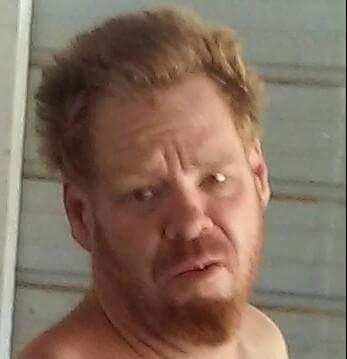
On September 3, 2008, Nahum Aguilar, a 37-year-old male whose race was listed in official records as “Other,” was found dead in Oklahoma City under circumstances that immediately troubled the officers called to the scene. What began as a response to a call quickly turned into a death investigation when police discovered his body in what they described as a suspicious situation, the setting and the condition in which he was found leaving little doubt that something violent had occurred.
When they reached him, Aguilar bore injuries consistent with a violent attack, the kind of wounds that told investigators he had not simply collapsed or died by accident but had instead been the victim of deliberate harm.
In the days that followed, his death was formally classified as a homicide, placing his name among a growing list of victims whose killings reflected an increase in serious violence in Oklahoma City during that period. Public case summaries describe his killing not as an isolated tragedy, but as part of a broader pattern that worried both residents and authorities, with Aguilar’s case becoming one of several markers of how abruptly a life could be taken amid that rise in violent crime.
Years later, his case continues to be featured on public homicide-tracking sites, which preserve the basic facts of what happened to him: the date he was found, his age, where his body was discovered, and the official acknowledgment that he died by force at the hands of another person. These listings invite anyone with information to come forward and even host forum discussions where people reflect on the passage of time since his death and the unresolved questions that remain, underscoring how the loss is still felt long after the scene was cleared and the file was opened.
Despite the years that have passed and the continued public presence of his case online, the available records do not report any arrest in connection with the killing of Nahum Aguilar, nor do they name a suspect or suspects. Instead, the case summaries focus on the manner of his death and on keeping his story in the public eye, while the calls for updates and community input suggest that investigators and those who remember him are still waiting for the information that could finally explain who attacked him and why.