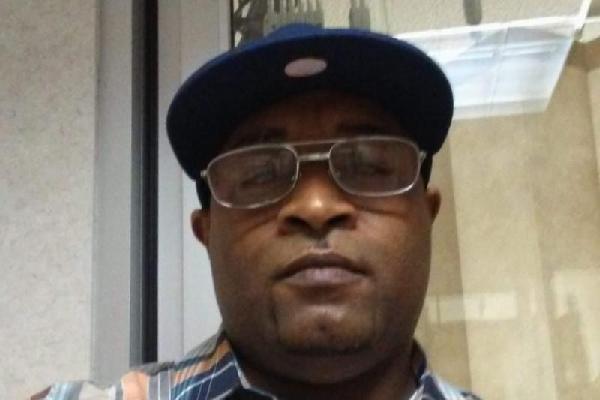
Antonio Bowen was 27 years old when his life ended violently in Oklahoma City on December 5, 2008, a Black / African American male whose name now appears in homicide records as a “death by force,” with his body listed as having been found in the city that had also been the center of his struggles with the criminal justice system.
Years before his death, court and corrections records show Bowen moving through the machinery of that system. In the mid-2000s he was convicted in Oklahoma County of first-degree rape, receiving a term that combined a short period of incarceration with a much longer stretch of supervised probation—one year in prison followed by nine years of probation, according to case summaries and custody data. Those same records describe a tall, lean man with distinctive tattoos on his arms, the kind of physical details noted by officers and jailers whose job it was to keep track of him as he served his sentence and then tried to navigate life under supervision.
By 2008, that fragile balance had broken. Bowen failed to appear for a scheduled court date, a violation that transformed him from a man under supervision into a wanted fugitive. In response, the Oklahoma City Police Department joined forces with the U.S. Marshals’ Metro Fugitive Squad, launching an active search that pushed his name and description into law-enforcement bulletins and fugitive lists. For officers involved in that hunt, he would have been one more name among many, but behind the paperwork was a real person who knew that every missed appointment, every step out of line, narrowed his options and increased the pressure closing in around him.
What ended that search was not an arrest, but a body. On December 5, 2008, Bowen was reported as found dead in Oklahoma City, his death officially categorized as having resulted from force rather than illness or accident. The cold, administrative language of the databases—“Date Found: 2008-12-05,” “Death by Force,” “Age at Death: 27”—stands in for details the public record does not fully explain: where he spent his last hours, who was with him, and what final confrontation turned a wanted man into a homicide victim. His entry is starkly brief, almost jarringly so when set against the complexity of the life that preceded that day.
In the years since, public case profiles have offered little clarity about what happened in the moments leading up to Bowen’s death. The homicide listing that preserves his name begins with a simple invitation—“Any updates on this case? Let us know!”—and provides no narrative of a solved crime, no mention of a suspect, no indication that anyone has ever been charged. There are no publicly documented arrests tied to the killing, and no suspect or suspects are identified in the open-source material that recounts his case; in the records available to the public, his death remains a violent loss without an official culprit, a story frozen at the point where investigators acknowledged a homicide but, at least on the record, have not yet been able to name who is responsible.