Jerriel Bates, a 26-year-old Black man from Oklahoma City, spent his final night at the Northridge Apartments on West Britton Road, a sprawling complex in the city’s northwest that would later be rebranded but still carry the same long, low buildings and central pool. In the early minutes of July 30, 2009, the summer heat hung over the courtyard and parking lots as residents drifted in and out of their units, settling into the quiet hours after midnight.
Inside his apartment at 8120 Britton Road, Bates was at home when visitors arrived, a small group that had come specifically to his door.
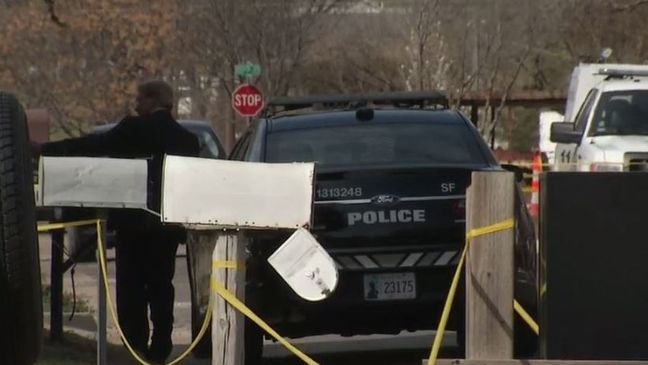
According to contemporaneous reporting, several people came to his apartment around midnight and tried to get him to come outside and fight, calling him out from the walkway of the complex. The confrontation never moved into the parking lot as they seemed to want; instead, it shifted to the threshold of his own home. When Bates opened his door, someone in that group fired, turning what had begun as a challenge into a sudden killing. Neighbors heard the shot and the commotion and called for help, but by the time officers reached the apartment at Northridge, they found him already critically wounded, his body discovered at the scene rather than transported from some distant street corner. He died there, on the property where he lived.
Detectives quickly labeled the shooting gang-related, believing the violence was tied in some way to wider conflicts rather than a random dispute between strangers. The setting fit a familiar pattern for Oklahoma City investigators: a modest apartment complex in a working-class neighborhood, a late-night confrontation at a front door, and gunfire that erupted before anyone outside the small circle at that doorway could intervene. That gang connection, as police framed it, added layers of silence to the case. People who might have seen the group arrive or leave had their own reasons to hesitate before speaking, and as days turned into weeks there was no public announcement of a clear suspect description, no widely reported composite sketch, and no named figure pursued in the media as the likely gunman. The scene on Britton Road was processed, the shell casings and witness fragments collected, but the narrative of who fired and why never solidified in public view.
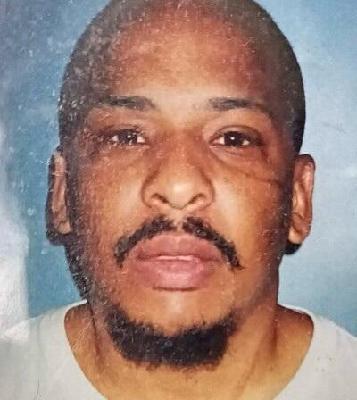
Away from the immediate horror of the doorway shooting, Bates’s name also appears in public records documenting an earlier chapter of his life, long before his death was entered into homicide files. Those records show he had been booked in Oklahoma County on charges including assault and battery on a police officer and a firearms offense described as prohibiting felons from carrying guns, with multi-year terms noted in connection with those cases. The records are careful to stress that a booking is not proof of guilt, but they sketch a picture of someone who had already passed through the criminal justice system more than once, his name and date of birth preserved in databases alongside case numbers and sentence lengths.
Yet when it comes to the night he died, the paper trail looks very different. Case summaries today still list his killing as a “death by force” with no resolution, and the homicide entry that preserves his name, age, and basic details of the crime is explicitly grouped among unsolved cases. Family members and strangers alike have posted online over the years, referring to the shooting as an unsolved murder and wondering how anyone could be gunned down at home, in front of witnesses, without a single person ever being publicly charged. There is no indication in accessible public sources that police have arrested anyone in connection with the shooting, nor that a suspect has been named in court documents or publicly identified by investigators. More than a decade later, what remains on the record is the stark outline: a group at an apartment door just after midnight, a single shot when the door opened, and an investigation that has never, in the public eye, produced an arrest or a definitive suspect for the killing of Jerriel Bates.