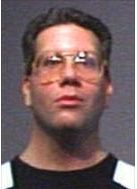
Alvaro DeLeon, a 34-year-old Hispanic / Latino man, spent the evening of November 21, 2009, at a Tulsa-area home where friends and family had gathered for a cookout, a familiar kind of weekend get-together in a year when the city was already struggling with a rising tide of homicides. As the night went on, what began as a social gathering shifted into tension when an argument broke out between DeLeon and 18-year-old Pedro Gaeta.
Witnesses later described the confrontation as a domestic dispute that escalated inside the residence, a flash of anger cutting through the casual atmosphere that had filled the house just moments before.
In the midst of that argument, the situation turned deadly. During the altercation, Gaeta produced a firearm and shot DeLeon, leaving him gravely wounded before anyone could pull them apart or calm the situation. Police were called and arrived to find DeLeon shot; despite efforts to get him medical attention, his injuries proved fatal, and he was pronounced dead. The killing was one of a series of slayings that year which pushed Tulsa's homicide count close to a record, adding his name to a list of families suddenly thrust into grief as the city's homicide detectives worked case after case.
Almost as soon as the gunfire stopped, Gaeta fled. Investigators identified him as the suspect and a warrant was issued for his arrest, but he disappeared from Tulsa and, according to later accounts, left the country altogether. For years, he remained beyond the reach of local authorities, effectively a fugitive while the case sat unfinished in court files. It would take more than five years before a break finally came: in 2015, Gaeta was located and captured in San Diego, California, bringing the long manhunt to an end and clearing the way for him to be brought back to face the murder charge stemming from DeLeon's death.
Once in custody, Gaeta was tried for the November 2009 shooting, and in 2017 a jury found him guilty of first-degree murder. The court sentenced him to life in prison with the possibility of parole, a punishment that formally acknowledged the deliberate nature of the killing at the cookout that night. Years later, in 2019, Oklahoma's Court of Criminal Appeals reviewed the case and upheld his life sentence, confirming the conviction and closing off one of the last avenues of appeal. With that decision, the legal system effectively fixed the narrative of what happened to Alvaro DeLeon: a night meant for food and companionship in a Tulsa County home had ended in sudden violence, a long flight, and ultimately a life sentence for the man who pulled the trigger.