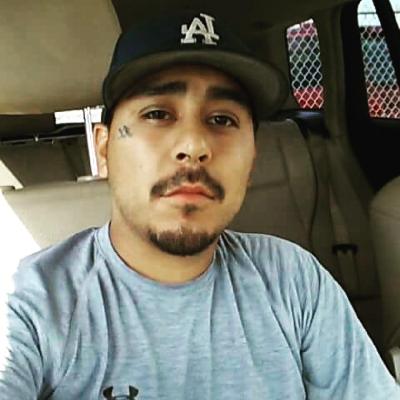
Eduardo Pena, a 22-year-old male whose race in official records was categorized as “other,” was living in Oklahoma City when the violence that ended his life erupted on February 24, 2014. That day, what began as a confrontation in the city turned into a deadly clash, and amid the chaos Eduardo was struck by gunfire. He was found and pronounced dead in Oklahoma City on the same date, his death formally recorded as a killing “by force,” a stark official phrase that barely hints at the
suddenness with which his life was cut short.
The shooting took place in Oklahoma City, in a part of town described in news coverage as the southwest side, an area where apartment complexes, modest homes, and busy streets meet. In the minutes after shots rang out, the scene would have been lit by emergency vehicle lights, officers trying to make sense of a brief burst of violence that had already done irreversible damage. When detectives first began piecing together what had happened, they faced an investigation without clear suspects. Early public summaries of the case describe a fatal shooting that grew out of a violent altercation but emphasize that initial efforts did not immediately reveal who had pulled the trigger or why the confrontation had escalated to the point of lethal force.
In the weeks and months that followed, Eduardo’s death did not simply disappear into a file drawer. Investigators continued working the case over an extended period, following leads and revisiting the circumstances of the conflict that had turned deadly. Later descriptions note that authorities spent several months on the investigation and ultimately made key arrests connected to the killing, transforming what had first been a shooting with no named suspect into a case where individuals believed responsible were taken into custody. Although those public summaries do not provide the names of the arrested suspects or the specific charges they faced, the homicide is now listed in a dedicated case database as “solved,” indicating that law enforcement considers the people behind Eduardo’s death to have been identified and dealt with through the criminal justice system in some form.
Today, the official record of Eduardo Pena’s death is brief: a young man, only twenty-two, shot and killed in Oklahoma City during a violent confrontation, found and pronounced dead on the same day, his case ultimately marked as solved after arrests were made. Behind those few lines lies the story of a life interrupted—a man whose final moments unfolded in a flash of conflict and confusion, and whose absence is now preserved mostly in sparse entries and terse phrases in online records, standing in for the fuller story that friends and family would remember.