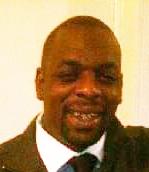
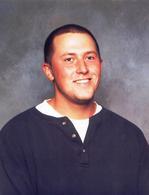
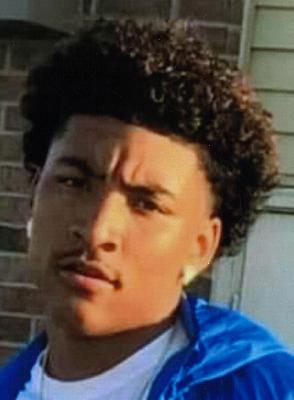
Alan Joseph Blanton, a 27-year-old man, was born on June 20, 1979, and his life ended on January 13, 2007, in Oklahoma City, Oklahoma. His name appears in the quiet language of an obituary that gives almost nothing away: it lists his dates, affirms that he was “deeply loved and will be missed,” and invites mourners to a memorial service at South Life Church on South Walker Avenue a week after his death.
In that brief public notice, the formal record of his passing is reduced to a handful of lines, the sort of announcement that signals a family gathering in grief but leaves the reasons for that grief unspoken.
Those few lines are all that is publicly said about the day he died. No cause of death is recorded in the obituary, no hint of whether his passing was sudden or expected, peaceful or violent. All that can be seen from the outside is the shape of a farewell: relatives and friends traveling to the church at 7800 South Walker in Oklahoma City, where they would hear his name read aloud, remember the years between 1979 and 2007, and then walk back out into their lives, carrying whatever private memories the printed notice only gestures toward. The official state vital-records index simply confirms what the obituary already implies—that this was a real death recorded in Oklahoma in mid-January 2007—without adding any narrative of its own.
Away from the memorial page, his name appears in another kind of record: court and correctional databases that tie that same full name and date of birth to a series of drug-related cases in Oklahoma County in the early 2000s. Those entries describe possession of methamphetamine and other controlled substances, with terms labeled deferred or suspended and a later notation for drug court involvement, suggesting a period when his life was shaped by addiction, supervision, and attempts at structured rehabilitation under the authority of the courts. The dry notations of case numbers, term lengths, and program starts sketch a parallel story to the one implied by the obituary—a young man who had already been in serious trouble, trying to move through a justice system that alternated punishment with opportunities for treatment.
Yet when the timeline reaches January 13, 2007, the trail goes abruptly quiet. The obituary does not describe an accident, a homicide, an overdose, or an illness; it simply marks that he “passed away.” The criminal and correctional summaries list earlier arrests and sentences but do not connect any of them to the circumstances of his death, and there is no public reporting that treats his passing as a suspicious death or an unsolved crime. In the material that survives online, no suspect is named, no arrest is recorded, and no investigation is described in relation to how he died. What remains is a fragmented portrait: a man whose interactions with the law are documented in some detail, whose funeral is announced in a few spare lines, and whose final moments are left entirely off the page, known only to those who stood in that church in Oklahoma City and said goodbye.