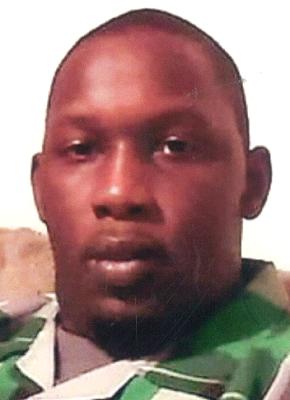
On July 9, 2015, 28-year-old William Polk, a white male, was found shot to death in the northwestern part of Oklahoma City, Oklahoma, a killing that would be recorded as the city’s 65th homicide of the year. The details that reached the public were stark and simple: a man whose name would briefly surface in crime summaries, whose final moments unfolded somewhere in a stretch of the city defined in reports only as its northwest side, and whose life ended not in a long illness or an accident,
but in the sudden crack of gunfire.
In the aftermath of the shooting, his death was treated as one more homicide in a year when investigators in Oklahoma City were already confronting a mounting toll of violence. Detectives opened a case file, noted the time and place, and added his name to a growing list of victims whose deaths demanded answers. Yet, unlike some high-profile killings that generate repeated headlines and public appeals, Polk’s case appears in the open record only in brief references, with no wider narrative about who he was, what brought him to that part of the city that day, or what immediate clues, if any, confronted officers when they arrived.
As the years have passed, the public trail around the case has remained thin. Available open sources do not describe a motive, do not identify any person of interest, and do not report an arrest or charge tied directly to his killing. In the absence of such information, William Polk’s death stands in the public record as an unanswered act of gun violence: a single line noting a shooting in northwest Oklahoma City, fixed to a date in the summer of 2015 and to a number in that year’s homicide count.
What endures, then, is the stark contrast between the completeness of the date and statistics and the silence about everything else. The record preserves his name and the basic facts of the crime, but gives no glimpse of his everyday routines, the people who waited for him to come home, or the private shock that must have followed the news of his killing. Instead, his story in the public realm is distilled to that one summer day, a location in the city’s northwest, a gun, and the unresolved questions that surround a life cut short, with no publicly documented resolution in the form of suspects identified or justice clearly recorded.