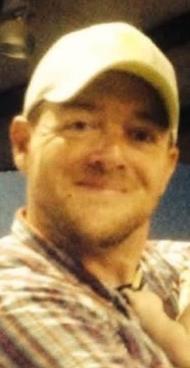
In the predawn hours of Sunday, August 21, 2016, the life of Brandon Huey, a 35-year-old Black man, was brought to a violent end in a parking lot in Oklahoma City. The quiet of the morning was shattered by the sound of gunfire, a tragic event that marked another chapter in the city's history of violence. That year, Oklahoma City would record dozens of homicides, each one leaving a trail of grief and unanswered questions for families and the wider community.
Officers from the Oklahoma City Police Department were dispatched to the scene in the 2700 block of Southwest 56th Street after reports of the shooting. Upon arrival, they found Brandon Huey gravely wounded. He had sustained multiple gunshot wounds, and despite any medical intervention, he was pronounced dead at the location. The area, a mix of residential and commercial properties in the southern part of the city, became an active crime scene as detectives began the painstaking work of piecing together the final moments of Brandon's life.
The initial phase of the investigation was met with challenges. The motive for the shooting was not immediately apparent, and the individual or individuals responsible had vanished before police arrived. Homicide detectives canvassed the area, searching for physical evidence and speaking with potential witnesses who might have seen or heard something that could lead to a breakthrough. For Brandon's family, the sudden and brutal nature of his death was a devastating blow, their grief compounded by the lack of immediate answers as to why he was killed.
As the Oklahoma City Police Department continued its investigation, their efforts were focused on generating leads and identifying a person of interest. Detectives worked through the evidence collected from the scene and followed up on any information that came in from the public. Their persistence eventually led to a significant development in the case later that same year.
Investigators identified a suspect, Michael De-shun Huey, and a warrant was issued for his arrest. He was subsequently taken into custody and formally charged with the murder of Brandon Huey. This arrest marked a critical turning point in the case, offering a measure of hope to Brandon's loved ones that justice would be pursued through the legal system.
The case then moved to the Oklahoma County District Court, where the legal proceedings against Michael Huey began. The prosecution prepared to present its case, built on the evidence gathered by the police during their months-long investigation. The journey through the court system is often a long and arduous one for victims' families, requiring them to relive the trauma of their loss at each stage of the process.
Following his trial, Michael De-shun Huey was convicted for his role in Brandon Huey's death. He was sentenced to serve time in prison, bringing a formal conclusion to the criminal case. While the verdict and sentence represented legal accountability, the emotional void left by Brandon's absence remains for his family and friends. As of late 2016, the case was considered closed by law enforcement, with the perpetrator held responsible for the act of violence that cut a life short.