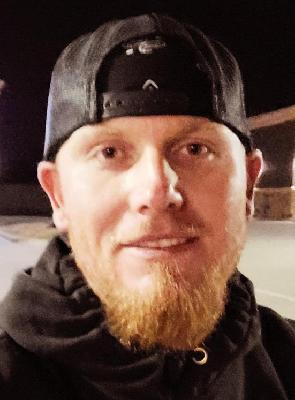
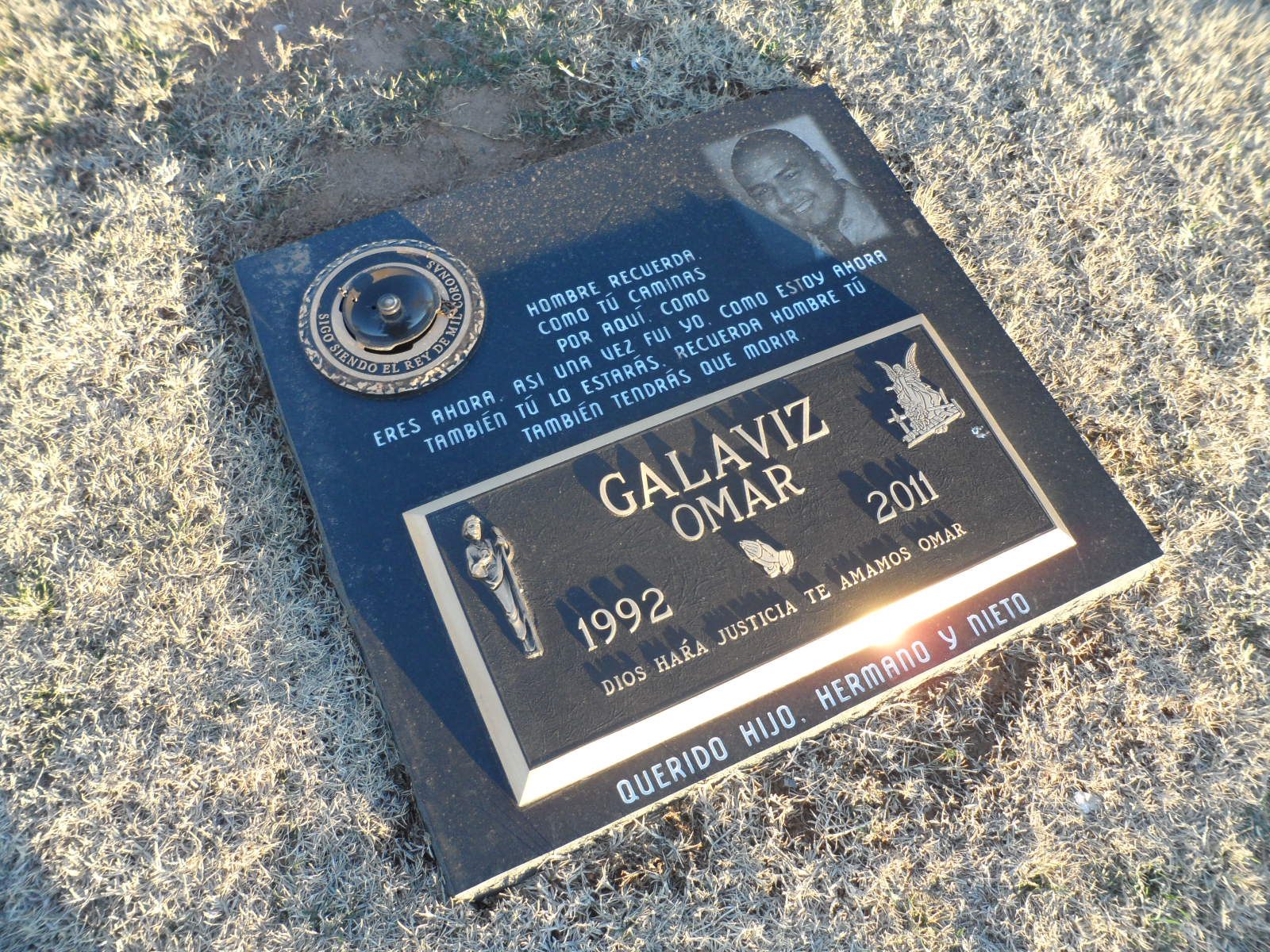
On the afternoon of December 5, 2016, in a modest home on Southwest 38th Street in Oklahoma City, 21-year-old Ulises Lopez, a male whose race was classified as “other” in later case records, failed to answer when his mother called out for him. She had just come home to find the house in disarray, furniture overturned and rooms disturbed in a way that immediately told her something was wrong.
As she moved through the shaken interior, she reached the doorway to his bedroom, where the scene that awaited her would be described by police as the city’s 69th homicide of the year.
Inside the room, Lopez lay lifeless on the floor. Early reports noted clear signs of a struggle, and what officers saw confirmed that the violence had been both prolonged and deliberate. Lopez had been bound: one of his legs was wrapped in silver duct tape, his wrists showed evidence of having been cinched with zip ties, and his lower face and head were encased in layers of duct tape. A later reconstruction of the crime described additional restraints, including tape and zip ties around his body and a belt around his neck, suggesting he had been beaten and strangled as well as restrained. The medical examiner was tasked with determining the precise cause of death, but from the beginning investigators treated the case as a homicide carried out with chilling control and cruelty. Away from the crime scene and court filings, brief obituary notices would remember Lopez simply as a young restaurateur who died that day in Oklahoma City.
As detectives began piecing together what had happened, attention quickly turned inward, to Lopez’s own family. Arrest warrants laid out a narrative in which his half-sister, Della Marie Nichols, had come to believe—or at least claim—that Lopez had inappropriately touched her young daughter. According to these accounts, Nichols repeatedly accused him and tried to pressure her child to say she had been sexually assaulted, even though the girl had not reported such an attack on her own. Nichols allegedly decided that the formal justice system was not enough and, instead, turned to what she called “street justice.” Prosecutors later said she ordered her boyfriend, 35-year-old Adrian Escajeda, to confront Lopez and carry out a punishment for the supposed offense.
One detailed account, drawing from court records and reporting, describes Nichols persuading Escajeda to go to Lopez’s home armed not with a conventional weapon, but with a fake gun, duct tape, and zip ties—tools that would allow him to bind, intimidate, and beat Lopez rather than kill him outright. The plan, as portrayed in those documents, was to rough him up and terrify him in retribution for the alleged abuse. But once inside the house, the encounter spiraled. As the confrontation unfolded, Lopez was tied up, his body bound with tape and zip ties, his head wrapped until he could no longer see or speak, and a belt was eventually tightened around his neck. By the time the assailant or assailants left, Lopez lay dead on his bedroom floor, the home ransacked around him. When his mother returned and called for him, everything she saw—from the chaos in the living room to the silence in his bedroom—led to that single, devastating discovery.
Within days, investigators publicly named Nichols and Escajeda as suspects, and warrants were issued accusing them of first-degree murder. Police and local media described the killing as part of a “street justice” or “vigilante” attack, rooted in Nichols’ belief that her half-brother had harmed her child. The case soon expanded beyond Oklahoma’s borders. Both Nichols and Escajeda fled south, crossing into Mexico in the days after the homicide. For months, they remained out of reach while Oklahoma City authorities worked with federal and international partners to track them down. Eventually, the U.S. Marshals Service, assisted by Mexican authorities, located and arrested the couple in Mexico, holding them in jail there while extradition proceedings moved forward so they could face charges back in Oklahoma County.
Back in Oklahoma City, the legal reckoning unfolded in stages. In early 2018, Escajeda went to trial. Prosecutors portrayed him as the man who had carried out Nichols’ order for “street justice,” binding and killing Lopez in retaliation for the alleged abuse of her daughter. An Oklahoma County jury found Escajeda guilty of first-degree murder in connection with Lopez’s December 2016 death and recommended a sentence of life in prison; he was acquitted on a separate charge of child neglect. During and after the proceedings, Lopez’s mother publicly rejected the allegations that her son had molested his niece, insisting that the accusations used to justify his killing were not true.
Nichols’s case concluded later. Rather than face trial on the original murder complaint, she ultimately pleaded guilty to accessory after the fact, acknowledging in court that she had helped Escajeda after he killed her half-brother. In exchange for that plea, she was sentenced to 20 years in prison, a punishment that reflected her role in setting the deadly events in motion and in assisting the man who carried out the attack. With Escajeda serving a life term and Nichols imprisoned on the accessory conviction, law-enforcement databases now list the case as solved. Yet the story that began in a small bedroom on Southwest 38th Street lingers in the contradictions left behind: a family torn apart, a mother who found her son bound and suffocated on the floor of his own room, a sister and her boyfriend claiming they acted in defense of a child, and a dead man who can no longer answer the accusations that were used to justify his killing.