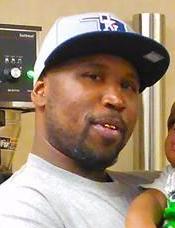
Shomari Ray Parks, a 35-year-old Black man from Oklahoma City, was spending a summer evening in late June 2017 at the Sunnyview Apartments on the city’s southeast side when his life was abruptly taken. On June 29, 2017, gunfire shattered the night near the 4500 block of Sunnyview Drive, not far from Southeast 44th Street and Sunnylane Road. When the shots stopped, Parks’s pickup truck would end up crashed into the side of an apartment building, and the city would mark another homicide in
what had already been a violent year.
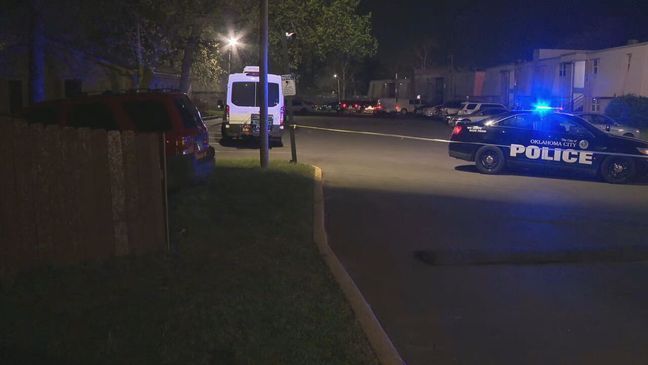
Police were called around 11 p.m. after residents reported hearing gunshots and seeing chaos in the parking lot. Officers arrived to find a pickup truck that had slammed into a residence at the Sunnyview complex, its front end buried in the damaged wall. Inside the cab, they discovered Parks, unresponsive, with an apparent gunshot wound. First responders could do nothing; he was pronounced dead at the scene, and investigators quickly classified the case as a homicide. Early reports indicated that Parks had been sitting in his vehicle in the parking lot when he was shot, and that a man was seen running away into the night, leaving neighbors shaken and the apartment community scarred by the sight of the wrecked truck and police lights flooding the courtyard.
In the days that followed, detectives from the Oklahoma City Police Department’s gang unit began piecing together what had happened in those final moments before the crash. Less than two weeks after the shooting, they announced the arrest of a 17-year-old boy in connection with Parks’s killing, describing it as the city’s 35th homicide of 2017. Court and investigative records later revealed a more detailed narrative: a teenage buyer had reportedly arranged to purchase marijuana from Parks in the parking lot, then mentioned that two other young men also wanted to buy. According to a witness, that meeting turned into an attempted robbery as two accomplices approached Parks’s truck. The confrontation escalated, shots were fired, and the truck lurched forward, ultimately crashing into the apartment building.
Within a few weeks, two more teenagers were taken into custody, and a fuller picture of the group involved emerged. Local reporting and compiled incident data identified three young suspects connected to the case: 17-year-old Terrell Prather, 16-year-old Shakil Greer, and 18-year-old Shamar Greer. All were described as subject-suspects in Parks’s killing, with the younger two specifically noted as having been arrested; Shakil was booked on a complaint of first-degree murder, while Shamar was also arrested in connection with the shooting. Prosecutors ultimately declined to pursue murder charges against the 17-year-old, instead filing a conspiracy to distribute a controlled dangerous substance complaint tied to the drug transaction that preceded the shooting, and he was reported to have bonded out of custody. Publicly available records focus on the arrests and charging decisions but do not clearly document the final outcomes of the murder case against the remaining teens, leaving the precise legal resolution somewhat obscured from view.
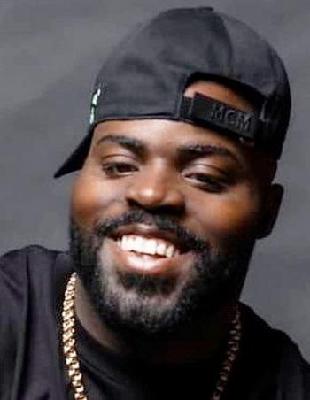
Outside of the courtroom and case files, Parks’s death rippled through his community in quieter, more personal ways. Online memorials remember him not as a crime statistic but as a son, relative, and friend whose smile could light up a room and whose presence was deeply missed at family gatherings and everyday moments that once felt ordinary. Loved ones shared tributes describing their grief, marking his birthdays after his death, and promising that he would never be forgotten. Years later, his name continues to appear in databases and remembrance sites dedicated to gun violence victims, a reminder of a summer night in Oklahoma City when a brief, violent encounter in an apartment parking lot ended a life and set several others on a path through the criminal justice system.